
What this solves
Siding installation Rancho Cordova at a glance
Siding installation Rancho Cordova projects work best when the wall drives the plan, not the product brochure. New siding installation is the job of cladding bare sheathing or new-construction walls with correct housewrap, flashing, and trim at every opening. We start at the substrate. Then we check the wall plane, the water path, and each window and door detail. In fact, we measured a recent Rancho Cordova wall and every opening twice before we ordered a single board. For example, a straight, dry wall prices very differently from one packed with gables and returns. This page fits new cladding over ready walls. Siding replacement is the route when old cladding and hidden rot must come off first. Exterior trim work is the narrow route for openings alone. In our experience, wall condition, story count, and opening count move labor far more than raw square footage. Send photos and the material you have in mind, and the first quote gets real fast.
Not sure what fits?
Send the project details and attachments.
Tell us the city, property type, opening, and service you have in mind. A few details make it easier to point you toward the right glass, door, railing, siding, skylight, or custom glass path.
Prep
How sheathing, housewrap, and flashing set the install up
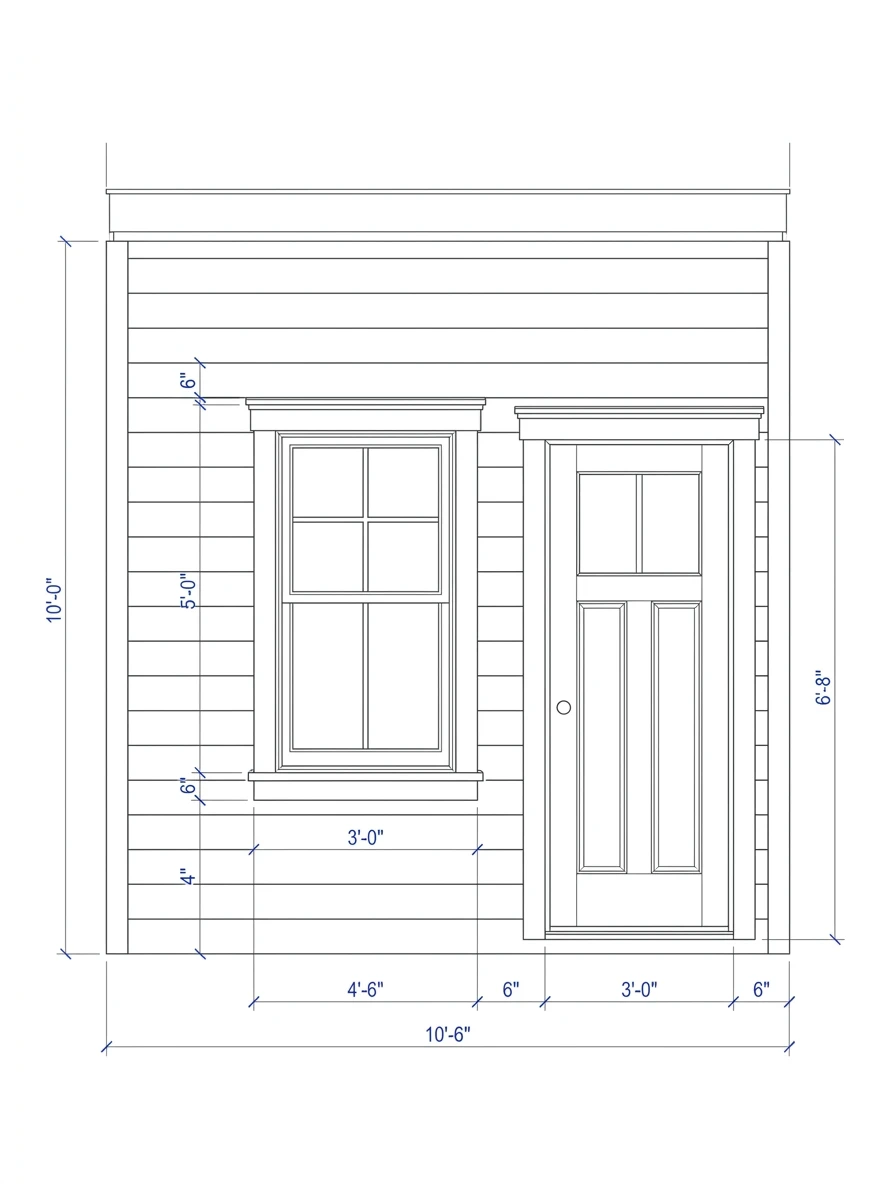
Siding performs only as well as the layers underneath it. On new work, the first questions are simple. Is the sheathing sound? Is the wall plane flat enough for the chosen cladding? Is the weather barrier lapped the right way? Housewrap is a weather-resistant barrier that sheds water behind the cladding before it reaches the sheathing. Openings need a sill that sheds water, side flashing tied back into the wrap, and a head detail that keeps runoff out of the trim. For example, a missing sill pan is a common leak source we look for first. We found soft sheathing behind clean-looking stucco on a recent job. That one detail changed the whole scope. Starter strips, corner boards, and control lines decide whether the elevation reads straight or improvised. In particular, a tall gable or a garage return adds cutting and flashing time. As a result, access shapes the labor plan as much as the field area does.
Materials
Which siding material fits Sacramento heat?
Material choice follows scope and exposure, not fashion. Sacramento summers hit south and west walls hard for months. Fiber cement siding is a mix of cement, sand, and cellulose that resists heat, impact, and rot. For instance, it holds a crisp trim profile around windows and doors, though it is heavier and more cut-intensive. Vinyl costs less and skips painting, but it moves with temperature, so gaps and accessory pieces matter. Wood and composite suit some styles, yet they ask for more moisture discipline over time. However, the material only works when the profile and trim depth fit your existing openings. In our experience, trim depth at windows drives more callbacks than panel color ever does. Energy rules also shape the wall: Title 24 standards (2022 update) affect insulation on many re-clad projects. Where a window sits in the run, its glass must meet safety-glazing rules in the California Building Code (CBC 2406, 2022 edition). Name your material, or at least a shortlist. That one detail lets us price the fastener pattern and trim package the product actually needs.
Pricing
What determines siding installation pricing?
Square footage matters, but it rarely explains why one quote differs from another. Price moves on wall height, corner count, gables, dormers, trim complexity, and the number of penetrations that interrupt the run. A penetration is any opening a window, door, vent, or fixture cuts into the cladding field. Material changes labor sharply too. Fiber cement and custom trim take longer than a simple vinyl profile on a flat wall. For example, a two-story elevation with heavy trim can double the labor of a plain single-story run. We ran the numbers on two recent bids, and the opening count, not the footage, set the gap. Occupied homes add protection, staging, and cleanup that bare new construction does not. Send each elevation, note the story count, share the material, and flag any new windows or doors. As a result, the first quote can separate a basic cladding scope from a cut-heavy finish job. That saves a second site trip.
Choose the right path
Which siding page fits your project?
Use this page when the wall is ready for new cladding over bare or freshly prepped sheathing. Start with one question. Is the field sound, or has moisture already reached the sheathing? For example, a clean wall ready for new boards points here, to siding installation. In contrast, cracked panels, interior stains, or soft sheathing point to siding replacement, because tear-off and hidden damage change both labor and risk. Alternatively, choose exterior siding trim work when only trim, J-channel, or flashing at a few openings is failing. Residential glazing matters when windows change at the same time and the flashing order must be solved together. Still unsure? Start at the siding contractor hub to sort the path. From our work, sorting by wall condition first keeps the quote honest. Read about Capital Glazing, then send details through our contact page or call (916) 720-9009.
What to expect
Which field details change the siding installation scope?
Capital Glazing scopes siding installation from the substrate outward, then prices the wall assembly that will actually be built. For an accurate quote, send elevation photos, rough wall dimensions, the proposed material, and whether windows or doors are already set. In fact, we tested our estimate against the field measure on a recent bare-wall job, and the opening details moved the number most. On that same job we walked each elevation, counted every window and door, and checked the wrap laps carefully before we ordered a single board or trim piece. Details win. Fiber cement, vinyl, wood, and composite do not share a reveal, fastener schedule, or movement allowance, so the material choice reshapes the labor plan. Our work sits under license CSLB #1115205, so the flashing and code checks stay part of the quote, not an afterthought.
Related services
Which nearby services connect to new siding work?
New siding installation often meets a second scope at the openings. If old cladding must come off first, siding replacement is the closer match, because hidden sheathing damage changes both labor and risk. If only trim, flashing, or transitions at a few openings fail, exterior siding work is more precise than a full install. Residential glazing matters when windows change at the same time and the trim depth must be coordinated. In other words, start from the tighter page and the quote gets sharper. You can verify our CSLB #1115205 license, then call (916) 720-9009.
Reviewed by Yuliya Dereviaga, Project Manager
FAQ
Questions people ask before calling.
What is the best siding for a new construction home in Sacramento?
Fiber cement and vinyl are the most common choices in the Sacramento area. Fiber cement handles heat and impact well and holds a long repaint cycle. Vinyl is lower maintenance and faster to install. In our experience, the best pick depends on your budget, style, and how much upkeep you want over the life of the wall.
Does new siding installation include trim around windows?
Yes. A proper install includes trim boards or J-channel at every window and door, corner posts, and a starter strip at the foundation line. Trim is part of the watertight system, not an optional add-on. Specifically, we flash each opening so water drains back out.
How long does siding installation take?
A single-story home with straightforward walls often takes several days. Two-story homes, gables, and fiber cement take longer than vinyl on a plain rectangle. In addition, material lead times can shift the schedule. We outline a timeline after we measure the walls and confirm the order.
Can you install siding on a house with existing stucco?
Sometimes. Siding can go over furring strips when the stucco is sound and the added thickness still works at the openings. Other projects call for removing stucco down to the sheathing first. We assess the wall and opening depths during the site visit.
Next step
Need glass, storefront, door, railing, siding, skylight, or custom glass work?
Call Capital Glazing or send project details through the quote request form. Include the property city, service type, opening details, and attachments if available.