
What we handle
Are you cutting in a new skylight or replacing one that already failed?
Skylight work splits quickly into two routes. New units still need an opening, a shaft, and a full flashing sequence. Old units raise a different question: can the existing curb and roof detail still be trusted? Grouping those together is what causes vague quotes. This hub helps you sort the right child page before anyone talks about brands or vents. For example, the first question is not fixed versus venting. It is whether we open the roof for the first time, or whether an old skylight already leaks, fogs, or shows curb failure.
Not sure what fits?
Send the project details and attachments.
Tell us the city, property type, opening, and service you have in mind. A few details make it easier to point you toward the right glass, door, railing, siding, skylight, or custom glass path.
Choose your skylight path
Skylight Contractor Sacramento paths
A skylight is a roof-mounted glass unit that brings daylight into the room below. A skylight contractor Sacramento homeowners hire should sort the roof first, then the glass. Skylight work splits into two clear routes, and the right route starts with the roof. For example, Skylight Installation fits a roof with no current opening, or one you already plan to reframe. In contrast, Skylight Replacement fits an existing unit that fogs, leaks, or stains the ceiling below. A new cut-in needs framing, a shaft, and interior finish work. A replacement often reuses a sound curb and moves faster. In addition, we check roof material and pitch before we suggest a path. We also look at the room below, since heat and glare change the glass. Which child page fits your project? We first ask whether the roof is opening for the first time or whether an old unit already failed. Therefore, we can scope glass type, mounting, and flashing before anyone talks about brands or venting hardware.
At a glance
Skylight work at a glance
Capital Glazing scopes skylight jobs by roof type, pitch, mounting method, and whether the old unit stays or goes. We route new openings to installation and failed units to replacement. For example, exterior roof photos and interior ceiling photos help us tell a cut-in from a swap. Notes about tile, membrane, staining, or fogged glass sharpen the quote. In addition, we flag when strong sun points toward low-E or tinted glass. We measured this pattern across many local roofs, and the roof detail drives the scope more than the brand. That said, a photo alone cannot confirm curb condition under the flashing. Send your city, roof material, and whether the skylight is new or existing. In particular, tell us the roof pitch and access, since both move the labor. Therefore, we can point you to the right child page before we climb the roof.
Mounting
Why curb-mount and deck-mount are not interchangeable
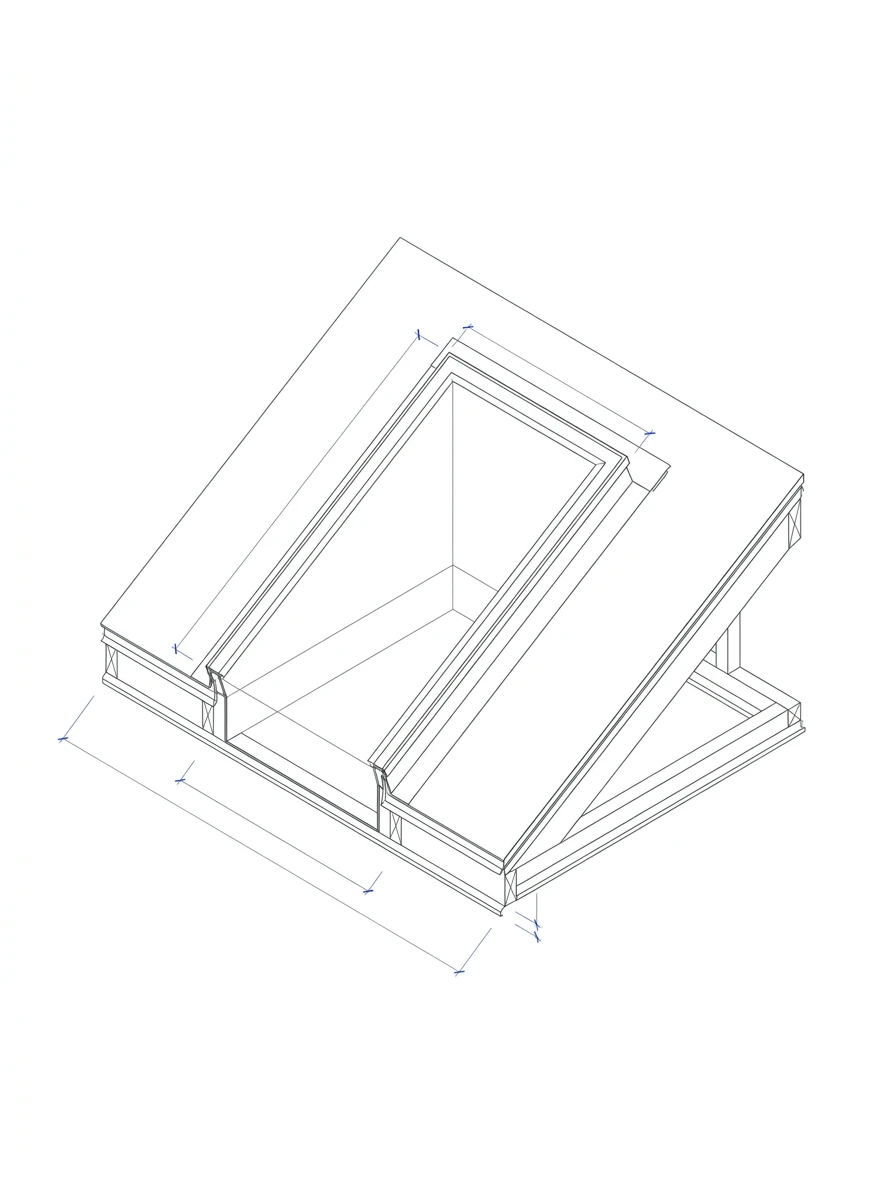
Curb-mount is a skylight that sits on a raised wood curb built above the roof surface. Deck-mount is a skylight with a built-in flange that shingles or membrane overlap directly. The mounting type sets the whole flashing sequence, so we confirm it first. Curb-mount suits tile, steeper roofs, and existing curb openings. Deck-mount suits standard shingle and low-slope roofs when the system supports that roof. In our experience, the wrong mounting choice leaves the roofer fighting the roof geometry. On a recent tile-roof job, we measured the curb twice before ordering the unit. Skylight glass must also meet safety rules, since a roof unit sits overhead. For example, California safety-glazing code points overhead glazing toward laminated or tempered glass. The federal CPSC glazing standard backs the same safety-glass rule. As a result, we set glass type and mounting together, not one at a time. In particular, tile roofs often need curb-mount, so we plan that early.
Roof types
How does roof type and flashing change your skylight?
Flashing is the layered metal and sealant system that keeps water out where the skylight meets the roof plane. Roof type drives most of the flashing work. A shingle roof with clean framing usually means a simple installation. In contrast, an old dome on a stained tile roof usually points to a replacement. Flat and low-slope roofs add membrane-specific detailing, while steep tile roofs bring curb and tile-relay labor. We found the flashing detail matters more than the glass on most leak calls. Sacramento heat can also push the glass choice toward low-E, which ties into California Title 24 energy rules. Capital Glazing holds CSLB #1115205, so we handle the roof opening to code. In addition, we check the shaft and drywall below, since a leak often shows up there first. Therefore, we ask about roof material and staining before we quote the unit.
Quote-ready details
What should you send for a skylight quote?
Send one exterior roof photo, one interior ceiling photo, the approximate unit size, and a note on whether the skylight is new or existing. Also mention roof material, whether the unit vents, and any staining, fogging, or damaged trim below. Which option fits your project? A roof with no opening, or one you already plan to reframe, belongs on the Skylight Installation route. A fogged, leaking, or yellowed unit belongs on the Skylight Replacement route. For example, a like-for-like swap on a sound curb prices very differently from a fresh cut-in with shaft framing. In addition, roof access, pitch, and tile handling all move the labor. Venting units add a control or rain sensor, which we note in the same quote. About Capital Glazing explains our licensed local crew and how we work. Contact Capital Glazing when you are ready to share your city and photos. As a result, we can match your roof to the right child page fast. Therefore, we can confirm the right child service before we ever measure.
Local projects
What changes between install and replacement before the roof is opened
Before we route a skylight job, we confirm roof type, pitch, mounting method, and whether the current unit stays or goes. Exterior roof photos and interior ceiling photos help us tell a new cut-in from a replacement. In our experience, the hidden curb condition under old flashing decides how much prep the opening needs. We also confirm whether the roof is shingle, tile, or low-slope membrane before we suggest glass. For example, a swap on a sound curb moves fast, while a fresh cut-in adds framing and finish work. That detail decides which child page fits and what the opening will take. Send your roof photos and a short note, and we will point you to the right skylight page for your project and roof.
Reviewed by Yuliya Dereviaga, Project Manager
FAQ
Questions people ask before calling.
What is the difference between curb-mount and deck-mount skylights?
Curb-mount units sit on a raised wood curb, and the roofer integrates step flashing around that curb. Deck-mount units have a built-in flange that shingles or membrane overlap directly. Curb-mount suits pitched roofs and tile. Deck-mount suits low-slope and standard shingle roofs. We confirm the roof and curb condition before we specify either one. For example, an existing curb opening usually points to a curb-mount replacement.
Can you install a skylight on a flat roof?
Yes, with a deck-mount unit built for low-slope roofs and membrane-compatible flashing. Flat-roof skylights need built-in pitch on the unit so water drains. We confirm the roofing system and slope before we specify a unit. For example, a membrane roof needs different detailing than shingle. We also check that the unit itself carries enough built-in pitch for that roof.
Why is my skylight leaking if the glass looks fine?
Most skylight leaks start at the flashing, where the unit meets the roof plane, not through the glass. Failed sealant, rotted curb wood, or step flashing set wrong all let water in. We inspect the flashing and curb condition first, then recommend repair or replacement. In our experience, a stain near the shaft points to the flashing, not the pane.
How much does skylight installation cost in Sacramento?
Cost depends on unit size, mounting type, roof material, interior finish, and whether the curb needs repair. A standard swap in a sound curb costs less than a new cut-in with framing and drywall work. We outline the factors after we review your roof photos and ceiling location. For example, tile handling and steep pitch add labor that a low-slope swap does not.
Next step
Need glass, storefront, door, railing, siding, skylight, or custom glass work?
Call Capital Glazing or send project details through the quote request form. Include the property city, service type, opening details, and attachments if available.