
What this solves
What does a custom glass order need before fabrication?
Custom glass is a panel cut and finished for one clear use. Custom glass Sacramento orders can cover tables, shelves, cabinet inserts, door lites, and other panels. Start with the use, not only width and height, because a shelf needs its span and supports confirmed before we set its thickness, while a tabletop needs a sound base and a deliberate plan for its exposed edges. We found that a marked photo can reveal missed holes, notches, and edge details, and in our experience that early review reduces expensive late changes after shop work starts. Specifically, we review the use before we price glass, edge work, and cutouts. What will the panel sit in, rest on, or join? That answer tells us if you need a loose cut-to-size piece or a system service. Visit our glass and mirror shop when you need help choosing the right path.
Not sure what fits?
Send the project details and attachments.
Tell us the city, property type, opening, and service you have in mind. A few details make it easier to point you toward the right glass, door, railing, siding, skylight, or custom glass path.
Glass selection
How do glass type and thickness follow the use?
Glass type should match the way you will use the panel. A cabinet insert may use ordinary annealed glass, while an exposed top or a panel positioned near people usually needs tempered safety glass. Low-iron glass is clear glass with less green tint at a seen edge. However, size alone does not set thickness. We check span, support space, mounting, and load path. For example, a wide shelf on clips and a tabletop on a solid base can share the same dimensions, however each may still require a different structural build. In particular, doors, low panels, and wet areas may need safety glass. We explain the choice before we order. The California Building Code guides our safety-glass check when it applies. This helps the panel fit the job and avoids a wrong order.
Edge work
Why must the edge finish be chosen first?
Edge finish is work that shapes and smooths the glass edge after cutting. A polished edge gives a table, desk, or shelf a smooth finished appearance, a flat-ground edge can suit a clean architectural panel, and a seamed edge generally works for a piece hidden inside a frame. Specifically, the finish should match how you will see, hold, and mount the panel. We check exposed sides before the shop gets the cut list. Tempering then fixes the shape. In fact, the shop cannot drill, notch, trim, or reshape tempered glass later. We measured openings before releasing tight-fit panels. Notably, a marked photo shows exposed sides, hardware lines, and round corners. Therefore, send any hardware template before fabrication. It flags missed cuts before the shop starts.
Cut-to-size details
What should a glass cut to size request include?
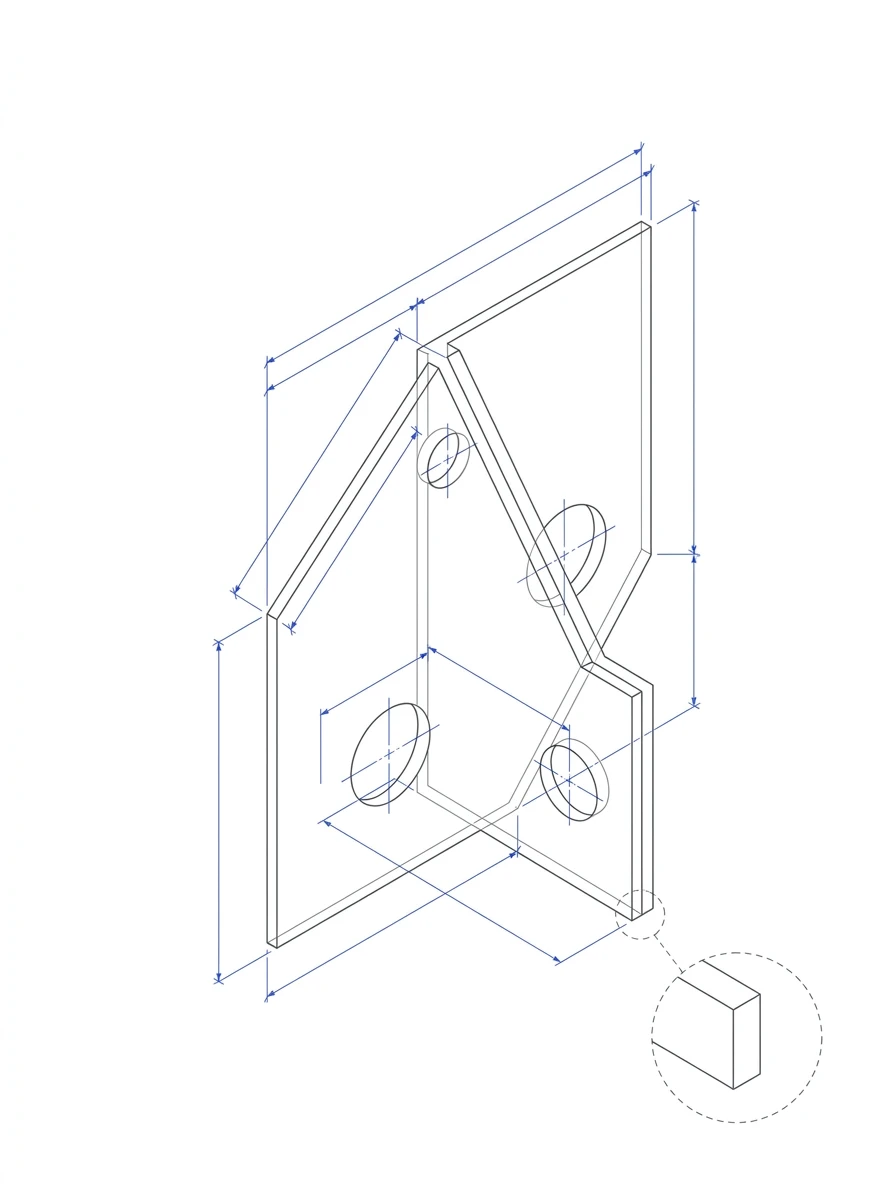
A complete request gives the shop enough detail to make the right panel once. Send a rough size, the panel use, and a photo of the opening. Also mark each seen edge, hole, notch, and cutout. For instance, a hole needs a centerline from two panel edges. In particular, a hardware template removes guesswork before cutting. We found that photos often show clips, trim, or a frame edge that changes the final size. In addition, tell us if you need supply only or field measurement and installation. Tight openings need a final site check before fabrication. What happens if the size changes after tempering? The panel must be fabricated again, because we cannot cut or drill tempered glass afterward. Send clear marks with your first request.
Quote planning
Custom glass Sacramento at a glance
Custom glass Sacramento work starts with the use, final size, glass type, seen edges, and hardware cuts. We then check photos, bases, clips, opening space, and marked cutouts before shop work. Safety glazing is glass used for doors, low panels, wet areas, and other spots where people may strike it. The California Building Code Section 2406 guides that check. In addition, send rough sizes, one photo, and any hardware template before shop release. Tempered glass cannot accept a late cut, drill, notch, or shape change, so we settle those details before the heat cycle, which gives you a clear plan for fit and installation and keeps the overall project moving. For example, clear notes let the shop plan detail early.
Scope check
When does custom glass become a system project?
A loose cut panel fits this page when its size, finish, and use are clear. The scope changes when you need channels, doors, aluminum frames, or a full room split. For example, a fixed office divider needs a full panel plan and detailed mount specifications, and similarly a commercial frame needs the correct lite and a suitable glazing method. In our experience, naming that system early avoids a quote for the wrong service. Alternatively, a privacy pattern or a seen finish may lead to decorative tempered glass. In addition, we check support, hardware, and site conditions before we release a piece for fabrication. That said, a simple table, shelf, or cabinet insert may only need a clear size and edge choice. Pick the path before shop work starts.
What to expect
What affects a custom glass Sacramento quote?
A useful quote follows the shop work, not only panel size. Glass type, thickness, edge finish, holes, notches, shape cuts, delivery, and installation set the scope. For instance, a small protected insert may need only a simple cut and a seamed edge, whereas a large tempered panel with polished edges and hardware cutouts requires considerably more planning. In addition, we separate a supplied piece from a panel we measure and install. That matters when a frame is not square or a shelf uses clips. We measured rough openings twice before we released tight-fit panels. Therefore, send your city, photos, rough sizes, and intended use with your custom glass quote request. We check final sizes when the fit depends on the opening. That said, a simple cut may not need a site visit.
Related services
Which option fits when the order is not a loose custom panel?
Choose a narrower service when the glass belongs to a larger system. Decorative tempered glass fits privacy or visible finish. Glass Wall Panels fit room divisions. Storefront Glass Products fit commercial aluminum frames. Stay here for one fabricated piece with a defined size, finish, and use. Capital Glazing holds CSLB #1115205. The CPSC architectural glazing safety standard supports our product checks where impact safety applies. About us explains our scope review. Call (916) 720-9009 or contact us with project details. Have these ready when you reach out: send a photo of the opening or base, note the rough size, state the intended use, mark any exposed edges or holes or notches, and attach a hardware template.
Reviewed by Yuliya Dereviaga, Project Manager
FAQ
Questions people ask before calling.
Can you cut glass to an exact size for a tabletop or shelf?
Yes. We confirm the base, supports, thickness, and edge finish before cutting. If the opening controls the fit, we measure before fabrication.
How do you choose the right glass thickness?
We choose thickness from the use, span, supports, glass type, and mounting method. A tabletop on a solid base does not work like a shelf on clips. Send a size and photo for the right fabrication path.
Can holes or notches be added after glass is tempered?
No. The shop completes holes, notches, and shape cuts before tempering. Tempered glass cannot be drilled or cut afterward. Mark each hardware location and send the template before the order moves to the shop.
When should I choose low-iron glass?
Choose low-iron glass when edge clarity and less green tint matter. It suits thick tabletops and display pieces. Standard clear glass can work when a frame or channel hides the edge.
Next step
Need glass, storefront, door, railing, siding, skylight, or custom glass work?
Call Capital Glazing or send project details through the quote request form. Include the property city, service type, opening details, and attachments if available.