
What we handle
What kind of custom glass product are you actually trying to order?
A glass and mirror shop order starts with the job the piece must do. Fabrication is the shop work that turns an approved size, edge, cutout, and mounting plan into a finished piece. Glass and mirror shop Sacramento projects can involve shelves, mirrors, wall panels, or storefront lites. Each use needs its own glass type and finish. For example, a shelf needs a different edge than a mirror. In contrast, a storefront lite must fit its commercial frame. Send a wide photo that shows the opening, trim, and nearby finishes. In addition, tell us about exposed edges, fixtures, or channels. We ask what the piece supports, where people touch it, and how it will mount. As a result, we can flag thickness, holes, notches, and safety questions before anyone orders glass.
Not sure what fits?
Send the project details and attachments.
Tell us the city, property type, opening, and service you have in mind. A few details make it easier to point you toward the right glass, door, railing, siding, skylight, or custom glass path.
Choose your shop path
Glass and Mirror Shop Sacramento paths
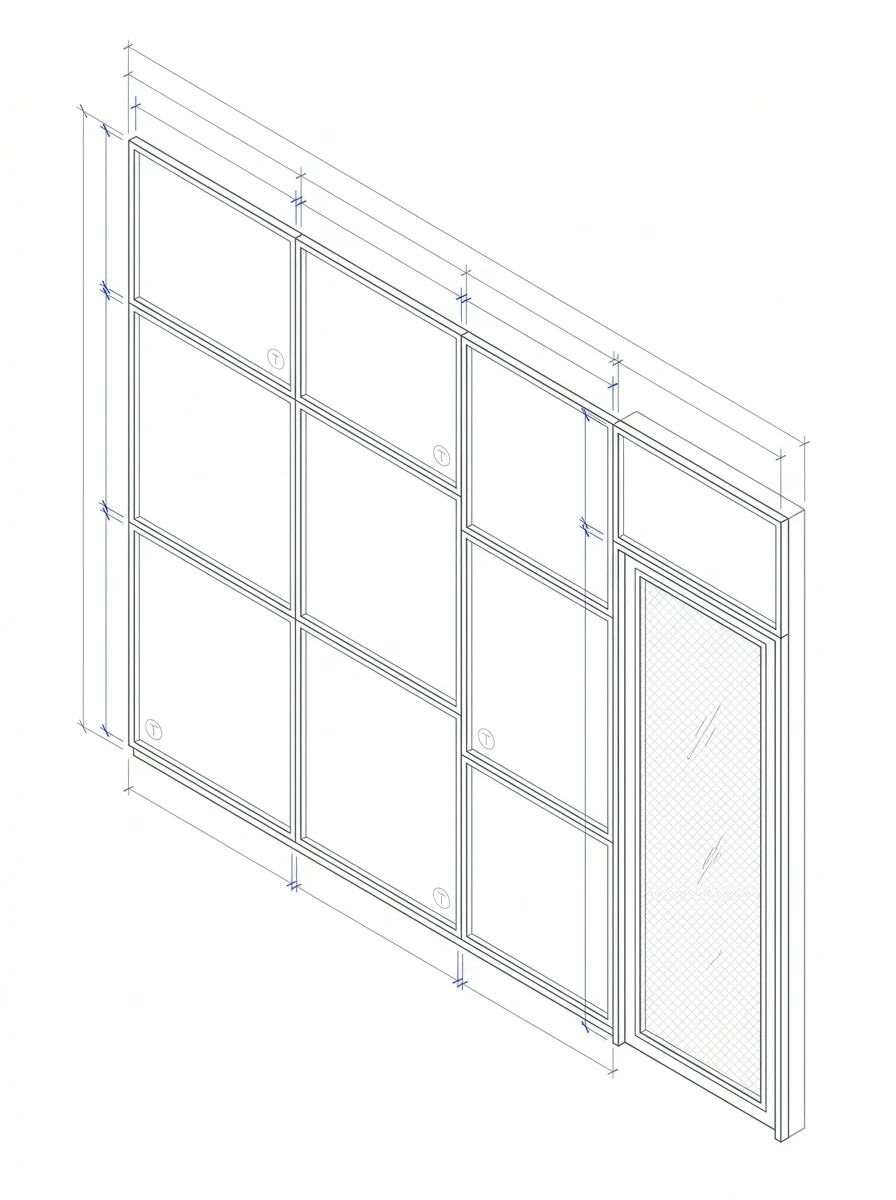
A shop path is the product route that matches the piece, its support, and its mounting plan. The right route starts with what the piece must do. For example, Custom Glass fits shelves, table tops, and defined replacement pieces. Glass Wall Panels fit interior panels with channels, clips, or partition hardware. In contrast, Decorative Tempered Glass fits projects led by privacy, pattern, or safety. Choose Storefront Glass Products when glass must fit a commercial aluminum frame. A shelf may need only polished edges. A panel with clips needs exact hole locations and a clear mounting sequence. In addition, we check access before we release a large panel. Which child page fits your project? We first ask what the piece will hold and who will mount it. Therefore, we can set holes, notches, edge polish, and tempering work before fabrication begins.
At a glance
Glass and mirror shop at a glance
Capital Glazing helps homes and businesses choose a mirror or glass piece before fabrication begins. We match the piece to its opening, support, edge finish, and mounting plan. For example, clear photos and rough sizes can show when we need a field check. Notes about tile, channels, hardware, and wall conditions help us quote the full scope. In addition, we use those details to route shelves, mirrors, wall panels, and storefront pieces to the right shop path. We check final cuts, polished edges, planned holes, and surface finish before release. That said, a rough size alone cannot confirm the finished cut. Send your city, intended use, and wide photos. Therefore, we can prevent wrong cuts, edge work, or mounting choices before we measure and order the piece.
Material and fabrication
What do we set before we fabricate glass?
Safety glazing is glass for places where a person could strike a pane. Doors, low glass, shower areas, and some interior panels can trigger California Building Code Section 2406. We check the location before we choose annealed, tempered, or laminated glass. Tempered glass is safety glass that a factory heats and cools before delivery. We cannot cut, drill, or notch it after tempering. Therefore, we set holes, hinge cutouts, outlet notches, and polished edges first. In fact, a late handle change can require a new panel. We measure support points and visible edges for secure mounting before release. In addition, the CPSC architectural glazing safety standard explains why the glass must fit the location. A clear use note avoids a pane that fits the size but not the job.
Mirrors and cut-to-size work
How should you measure a mirror or cut-to-size piece?
For custom mirrors Sacramento homes and businesses need, start with the full finished wall or opening. Do not rely on one rough width. A wall mirror is a fixed mirror panel cut and mounted to fit a finished wall or opening. Its final size depends on the finished surface, nearby fixtures, and the mounting method. For instance, outlets, sconces, tile edges, and J-channel can change the final cut. Send wide photos, rough dimensions, wall material, and notes on each obstruction. In our experience, tile and channel details often change the field size. We measure finished-wall openings after tile and channel are in place. Similarly, we check the wall for plumb because a rough opening can leave a visible gap. Tell us if the piece will sit in a channel or on clips. This process also helps with shelves, table tops, door lites, and panels with polished edges. Capital Glazing holds CSLB #1115205.
Quote-ready details
What details help us release a shop order?
Send a wide photo, rough width and height, the intended use, and notes on mounting hardware. Also say whether edges will show, whether you need holes or notches, and who will set the piece. Which option fits your project? A shelf, table top, or replacement piece belongs on the Custom Glass route. An interior panel with clips or channels belongs on the Glass Wall Panels route. Similarly, decorative or tempered work fits a privacy- or safety-led finish. Commercial aluminum frames fit the Storefront Glass Products route. That route keeps this hub useful without taking over a child page's specific service intent. In fact, clear mounting notes let us ask the right follow-up question before fabrication. About Capital Glazing explains our licensed local work. Contact Capital Glazing when you are ready to share your city and photos. Therefore, we can confirm the next step before we order your finished glass.
Local projects
What to confirm before glass is cut, tempered, polished, or drilled
Before we release an order, we check final use, field size, glass type, edge finish, and each hole or notch. Close photos can hide tile returns, uneven walls, shallow channels, or hardware. In our experience, those details often change the finished size. On tight mirror openings, we measured the finished surfaces twice before sending a size to fabrication. We found that a full-wall photo can reveal clips or outlets that a close shot misses. However, safety rules can change the glass choice even when the size stays the same. We confirm support points, visible edges, and who will install the piece. Specifically, we compare the rough size with finished surfaces and mounting hardware. Then send your city, intended use, rough size, and wide photos with your quote request.
Reviewed by Yuliya Dereviaga, Project Manager
FAQ
Questions people ask before calling.
How do I choose the right glass product for my project?
Choose the product by its use and mounting first. A shelf or table top usually starts as a cut-to-size request. An interior divider needs panel and hardware planning. For example, California safety-glazing rules can change a door-adjacent piece. Send photos, dimensions, and the intended use before fabrication begins. We then point you to the child route that matches the finished piece. That lets us check edge finish, holes, and support before the final size goes to the shop.
Can you make custom mirrors for bathrooms and closets?
Yes. We can scope custom mirrors for bathrooms, closets, and finished walls. Send the wall size, rough opening, photos, and notes on outlets, lights, tile, or trim. In addition, those details guide the cut, edge finish, and mounting method. Tell us if the mirror meets a channel or has exposed edges. A full-wall photo helps us spot trim, lights, and nearby switches before we review the opening.
Can you cut or drill tempered glass after tempering?
No. We cannot cut, drill, or notch tempered glass after tempering. Tempered glass needs final dimensions, holes, cutouts, and edge work before tempering. Therefore, tell us about handles, hinges, clips, channels, and nearby fixtures before we release the order. We need that plan before the factory starts. That keeps the final fabrication plan clear for everyone.
What should I send for a glass or mirror quote?
Send photos of the whole opening or wall, rough width and height, the intended use, and mounting details. Also note exposed edges, holes, notches, and whether the property is commercial or residential. As a result, we can separate a simple fabrication request from a panel, storefront, or safety-glazing scope before we quote it. For instance, a door lite may need a different glass choice than a wall shelf.
Next step
Need glass, storefront, door, railing, siding, skylight, or custom glass work?
Call Capital Glazing or send project details through the quote request form. Include the property city, service type, opening details, and attachments if available.