
Capital Glazing guide
Storefront Framing Finishes: Anodized vs. Powder-Coated (2026)
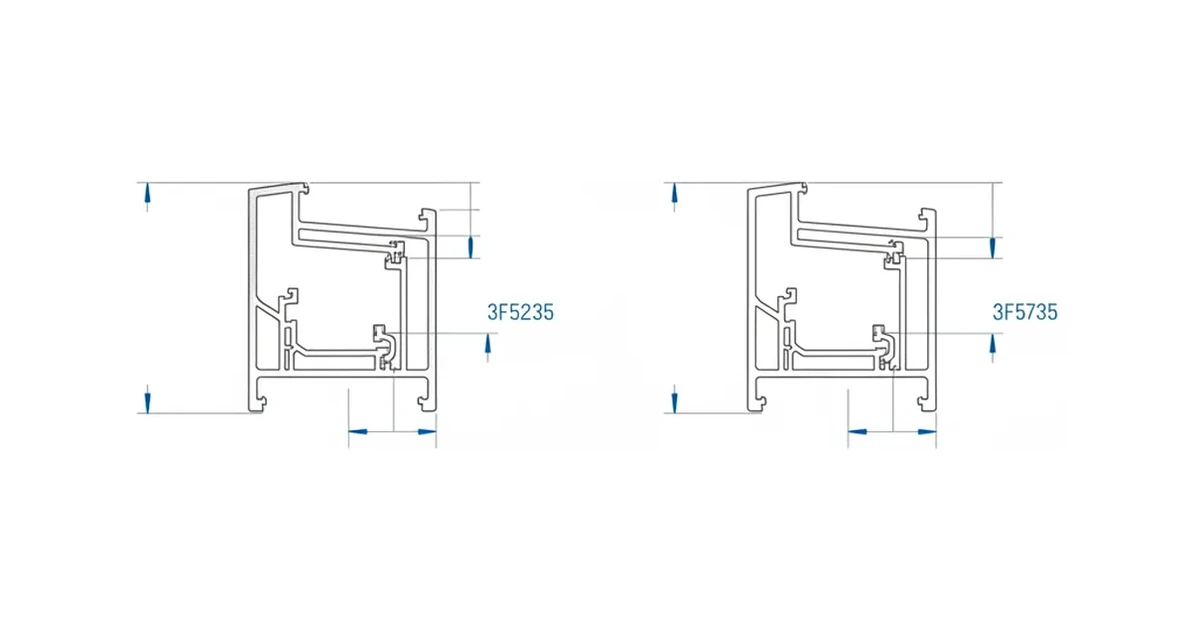
Choosing a storefront framing finish usually comes down to one tradeoff: anodized aluminum holds its color in harsh sun and resists fading better, while powder coat gives you a far wider palette of custom colors. For most Sacramento storefronts, anodized clear or dark bronze is the safe long-haul pick, and powder coat is the right call when a brand color drives the design. Both protect the aluminum underneath. They just do it in different ways, and that difference shows up over years of heat and UV.
Key Takeaways
- Anodized finishes are integrated into the metal, so they resist fading and chalking longer in direct sun than most paints.
- Powder coat offers nearly unlimited custom colors and textures, but cheaper grades can chalk and lose gloss faster outdoors.
- For exterior framing in Sacramento, specify AAMA 611 anodize (Class I) or a 70% PVDF powder meeting AAMA 2605 for the best fade resistance.
- Finish choice is separate from thermal performance; a thermally-broken frame controls heat transfer regardless of the coating on top.
What is the difference between anodized and powder-coated framing?
The short version: anodizing grows a protective layer out of the aluminum itself, and powder coat sprays a layer onto it. That single distinction explains most of what follows on color, fade, and repair.
Anodizing is an electrochemical process that thickens the aluminum’s natural oxide layer, then seals color into that layer. The finish becomes part of the metal, so it cannot chip or peel (Anodizing Council).
Powder coating is a dry paint applied as electrostatically charged powder, then baked into a hard, uniform film. It sits on top of the aluminum and bonds to the surface (Xometry).
Because anodized color lives inside the metal, it tends to hold up to UV better. Because powder coat is applied paint, you can match almost any color or texture, but the film can degrade over time if you pick a low-grade product (SAF).
Which finish lasts longer in the Sacramento sun?
For raw fade resistance in direct sun, properly specified anodized usually wins. The color is electrolytically built into the oxide layer, so UV does not chip or peel it, and bronze and black anodized shades are especially lightfast (Wrisco).
Sacramento punishes finishes. Long summers, triple-digit afternoons, and relentless UV are exactly the conditions that expose a weak coating. Cheaper organic paints can fade, chalk, and lose gloss in just a few years of that exposure (St. Cloud Window).
That does not mean powder coat fails here. It means the grade matters. A high-end fluoropolymer powder is built to survive the harshest sun. A bargain coat is not.
How fade and chalk resistance is graded
The industry uses AAMA performance standards to rate how a finish holds up outdoors. Knowing these lets you compare apples to apples on a bid.
| Finish standard | Type | Outdoor rating |
|---|---|---|
| AAMA 611 Class I | Anodize | High-performance exterior |
| AAMA 2603 | Powder/paint | Interior, light exterior |
| AAMA 2604 | Powder/paint, 50% PVDF | Typical storefront |
| AAMA 2605 | Powder/paint, 70% PVDF | Severe exposure, best fade resistance |
The top powder spec, AAMA 2605, must pass a 10-year South Florida exposure test and hold fade and chalk within strict limits (Colourific). For exterior storefront framing, AAMA 2604 is the common middle ground and 2605 is the premium choice (AMICO).
On the anodize side, AAMA 611 Class I is the high-performance spec for continuous outdoor exposure, with a thick enough coating to take lightfast coloring (Linetec).
In my experience walking older Sacramento entrances, the framing that still looks sharp after a decade of sun is almost always anodized dark bronze or a true PVDF coat. The chalky, faded units are usually the ones finished on the cheap.
What color options do I get with each finish?
This is where the two finishes split hardest, and it often decides the whole question.
Powder coat is the clear winner on color. You get solids, metallics, textures, and near-unlimited custom matching to a RAL number or a control sample (Gordon). If your brand lives on a specific red or green, powder coat makes it possible.
Anodized colors are more limited but elegant. The standard architectural range runs clear (silver), champagne, the bronzes, and black, with that slightly metallic, depth-of-metal look (YKK AP). You cannot get a bright custom color out of anodize.
| Anodized | Powder Coat | |
|---|---|---|
| Color range | Clear, bronzes, black | Almost any color |
| Custom matching | No | Yes, to RAL or sample |
| Texture options | Limited | Smooth or textured |
| Look | Metallic, in the metal | Painted, uniform |
| Sun fade resistance | Excellent | Good to excellent by grade |
Does anodized or powder coat cost more?
It depends on the grade, and the sources genuinely conflict because both finishes span a wide range. For a standard metallic or clear look, anodizing is often the cheaper and more durable pick. For vibrant custom colors, powder coat is usually more affordable than premium anodize, unless you spec a top-tier AAMA 2605 system, which can flip the math (Xtra Metal).
Powder coat tends to be cheaper upfront, while anodize can win on lifetime value through lower maintenance and a longer-looking life (Canart). Because the spread is so wide, the only honest number is a quote on your exact color, square footage, and finish grade. We localize pricing on every storefront bid rather than guess.
How do I maintain each finish?
Both finishes are low-maintenance, which is part of why aluminum dominates commercial entrances. The difference is small but worth knowing.
Anodized surfaces clean up with water and a mild detergent. Powder-coated surfaces may want a little more frequent cleaning to keep colors looking vivid, especially where road dirt and pollution build up (Monster Builder).
On impact, powder coat actually has an edge. The film flexes and absorbs knocks, while the harder anodized layer can be more brittle under a sharp hit (Beach House Patio). For a busy entrance, that resilience is a real consideration.
When a frame does get gouged, neither finish is a simple field touch-up. Anodize is part of the metal and cannot be spot-recolored, and powder requires a controlled bake. Damaged sections usually mean replacing a member, which is one reason a clean original install matters so much. If you have damage now, that is a commercial glass repair conversation.
A note on thermally-broken framing
Finish and thermal performance are two separate decisions, and people mix them up. The finish is the color and protection on the outside. A thermal break is what happens inside the frame.
Aluminum conducts heat extremely well, which is great for strength and terrible for energy bills (SinoExtrud). A thermally-broken frame inserts a low-conductivity polyamide strip between the inside and outside aluminum, cutting heat transfer, lowering the U-value, and reducing interior condensation (AWS Australia). In a hot climate like ours, that keeps conditioned air in and the worst of the summer heat out.
You can put any finish on a thermally-broken frame. So spec the thermal break for comfort and energy code, and choose the finish for looks and longevity as separate calls.
Why use a licensed glazier for storefront framing
A finish only performs if the framing behind it is installed right. Poor fitment lets water sit, and standing moisture is exactly what attacks the joint where a polyamide thermal break meets aluminum, inviting corrosion over time. Sharp Sacramento sun then magnifies every shortcut in a cheap finish.
A licensed glazier specs the right AAMA grade for the exposure, orders the correct color before fabrication (you cannot recolor anodize on site), and seals the system so it earns its rated life. Capital Glazing holds CSLB license #1115205 (B, C-17, C-33), so storefront framing is squarely in our scope. When we hand a project over, the finish was chosen for the actual sun load on that elevation, not the cheapest line item.
Frequently asked questions
Can I match my exact brand color in a storefront frame?
Yes, with powder coat. It can be custom-matched to a RAL number or a physical sample. Anodized aluminum is limited to clear, the bronzes, and black, so a specific brand color almost always means a powder finish.
Which finish is best for a west-facing Sacramento entrance?
West-facing glass takes the harshest afternoon sun. For that exposure, lean toward anodized dark bronze or a 70% PVDF powder meeting AAMA 2605, since both are built to resist fade and chalk in punishing UV.
Can a faded or scratched finish be fixed in place?
Not easily. Anodize is part of the metal and cannot be spot-recolored, and powder coat needs an oven bake to cure. Significant damage usually means replacing the affected framing member rather than touching it up.
Is anodized always more durable than powder coat?
No. Anodize resists UV and corrosion very well, but powder coat flexes and resists impact better. A high-grade PVDF powder can rival anodize outdoors. The right answer depends on color needs and the exposure on that elevation.
Does the finish affect energy efficiency?
No. Energy performance comes from the thermal break and the glass, not the surface coating. A thermally-broken frame can carry either an anodized or a powder-coated finish.
About Capital Glazing
Capital Glazing is a licensed commercial glazing contractor in Rancho Cordova serving the greater Sacramento area, holding CSLB license #1115205 (B, C-17, C-33). We handle commercial storefront installation, framing finish selection, and commercial glass repair for businesses across the region. Yuliya Dereviaga is a Project Manager at Capital Glazing. Learn more about us.
Ready to spec the right storefront framing finish for your building? Request a quote, email info@cglazing.com, or call (916) 720-9009.