
Capital Glazing guide
Security Glass for Sacramento Businesses (2026)
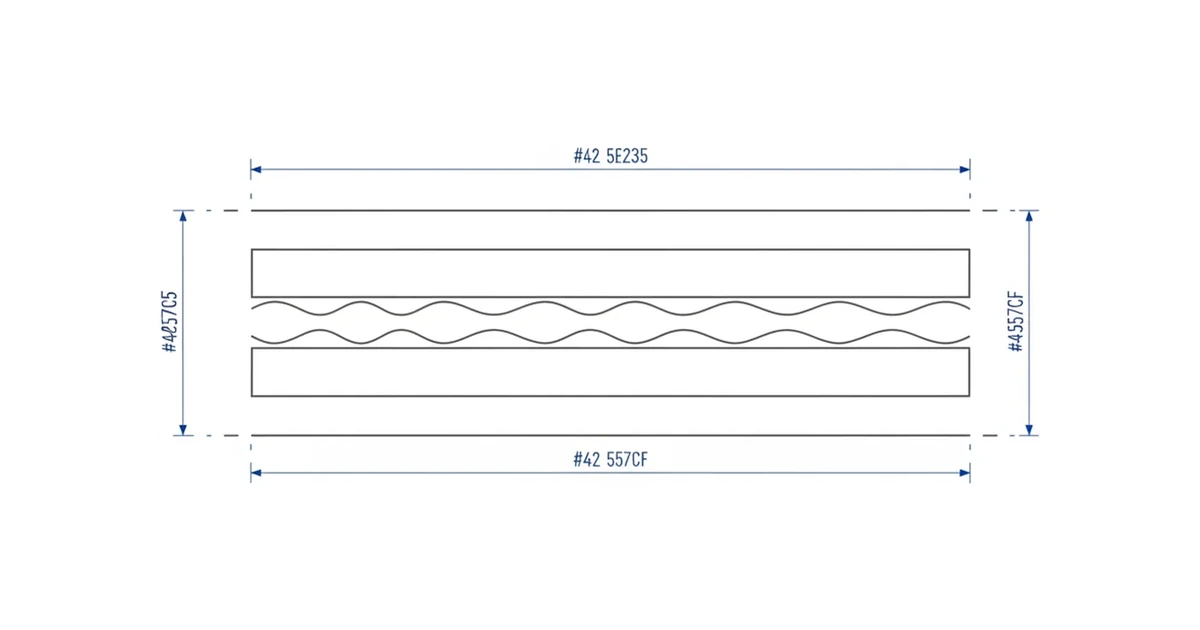
The right security glass for your business depends on what you are trying to stop. The options run along a spectrum: security window film, laminated (security) glass, burglary-resistant glazing tested to UL 972, and bullet-resistant glass rated to UL 752 levels (Riot Glass, 2025; Total Security Solutions, 2025). Most Sacramento retail and storefront owners are guarding against smash-and-grab, not gunfire, so the cheaper end of that spectrum usually wins. Costs below are national ranges; the only way to price your storefront is an on-site quote.
That last point matters. A jewelry counter, a dispensary, and a corner coffee shop all face different threats, and the glass should match the threat, not the fear. Below we walk the spectrum from film to ballistic, what each one actually resists, the real cost gaps, and where California code still has the last word.
Key Takeaways
- Security film holds shattered glass together and can delay a smash-and-grab by 30 to 90 seconds, enough to trip an alarm (American Window Film, 2025).
- Laminated glass resists forced entry better because the barrier is built into the pane, but it means replacing the glass, not retrofitting it (Wells TEMFG, 2026).
- UL 972 covers burglary resistance; UL 752 covers bullets. They are different threats and different price tiers (Total Security Solutions, 2025).
- California Building Code Chapter 24 safety glazing still applies to your doors and storefront, no matter which security upgrade you pick (ICC, 2025).
What Counts as Security Glass for a Business?
“Security glass” is a loose term for any glazing engineered to slow or stop a break-in or an attack. It is not one product. It is a range that starts with a film you stick on existing glass and ends with thick ballistic laminates. Where you land depends on your threat and your budget.
Laminated glass is two or more panes bonded to a tough plastic interlayer under heat and pressure, so when it cracks the fragments cling to the interlayer and the pane keeps acting as a barrier (Wells TEMFG, 2026). That hold-together behavior is the foundation of most real security glazing.
Security window film is a thick multi-layer polyester membrane applied to the inside of glass you already own. When the glass breaks, the film keeps the pieces in one sheet, slowing forced entry (American Window Film, 2025). It is the retrofit version of the same idea.
Bullet-resistant glazing is a thick laminated or glass-polycarbonate composite rated to stop specific rounds under UL 752, a separate and far more expensive category from forced-entry products (Riot Glass, 2025).
The Security Glass Spectrum at a Glance
Here is the range in plain terms. Read it as low-cost-low-threat on the left, high-cost-high-threat on the right. Most storefronts never need to move past the first two rows.
| Option | What it resists | Relative cost |
|---|---|---|
| Security film (retrofit) | Smash-and-grab, blunt force | Lowest |
| Laminated security glass | Forced entry, impact | Moderate |
| Burglary-resistant (UL 972) | Sustained forced entry | High |
| Bullet-resistant (UL 752) | Specific firearm rounds | Highest |
Sources: American Window Film, Wells TEMFG, and Total Security Solutions, 2025 to 2026.
A key caution: security film is not ballistic protection and should never be sold as such. It resists blunt-force impact only, while stopping bullets takes a different technology entirely (American Window Film, 2025).
Does Security Film or Laminated Glass Stop a Smash-and-Grab Better?
For most storefronts, security film is the practical winner against smash-and-grab. Both work by holding broken glass together, but film retrofits onto your current glass in hours, while laminated glass means a full replacement. The deciding factor is usually cost and disruption, not raw strength.
Smash-and-grab is a speed crime. Most attempts last under 60 seconds, and an 8-mil anti-intrusion film can delay a break-in by 30 to 90 seconds, long enough to trigger an alarm, capture video, and send most thieves running (American Window Film, 2025). For this specific crime, denying speed is the whole game.
Laminated glass resists forced entry more strongly because the barrier is integral to the pane, but that advantage is best reserved for new construction, ground-up renovations, or the highest-risk applications where the replacement cost is justified (American Window Film, 2025; Wells TEMFG, 2026).
When Should You Upgrade to Laminated Glass?
Move up to laminated when the threat is sustained, not opportunistic. Cash-handling businesses, dispensaries, jewelry stores, and late-night retail are the classic cases where a built-in barrier earns its price (Insight Glass, 2026). If you are already replacing the glass for another reason, the upgrade also makes more sense.
Many owners run a layered approach: film on the glass for day-to-day protection plus a retractable gate that secures the full storefront after hours (American Window Film, 2025). Glass is one piece of the security picture, not the whole of it.
How Much Does Security Glass Cost?
It depends entirely on where you land on the spectrum. Film is the cheapest by a wide margin; bullet-resistant glazing can cost ten times more per square foot. Treat every figure here as a national range and price your own openings with a quote.
| Option | Typical installed cost | Source |
|---|---|---|
| 8-mil security film | ~$9.50 to $25 / sq ft | Angi, 2026 |
| Laminated security glass | ~$30 to $100 / sq ft (glass) | Wells TEMFG, 2026 |
| Storefront w/ laminated package | ~$130 to $180 / sq ft | Wells TEMFG, 2026 |
| Bullet-resistant glass | ~$30 to $350+ / sq ft | Fab Glass and Mirror, 2026 |
A few notes on the ranges. Add roughly $3 to $6 per linear foot of frame if you include an anchoring system, which is recommended for true forced-entry protection (American Window Film, 2025). Bullet-resistant install labor alone can run $75 to $200 per linear foot (Fab Glass and Mirror, 2026). And as a rough rule of thumb, laminated adds about $10 to $20 per square foot over plain tempered glass (Wells TEMFG, 2026).
The honest move is an itemized quote that separates glass or film, labor, and any framing so you can compare options on your actual storefront. We measure on site rather than guess a flat Sacramento average. Request a quote and we will price the real opening.
Security Standards and California Code
This is where specifications stop being marketing and start being measurable. Three things matter: the burglary standard, the ballistic standard, and the safety-glazing code that applies regardless.
UL 972 is the standard for burglary-resisting glazing material. It addresses forced entry and is distinct from ballistic ratings (Total Security Solutions, 2025). If you want forced-entry resistance without paying for bulletproofing, this is the containment-grade tier to ask about.
UL 752 rates bullet-resistant glazing across levels tied to specific firearms. Levels 1 to 3 are designed to stop common handgun rounds and are often adequate for retail counters and ticket booths; Levels 4 to 8 address rifles and submachine guns and are typically reserved for government or critical-infrastructure use (Riot Glass, 2025; Total Security Solutions, 2025). One honest caveat the standard itself implies: these products are bullet resistant, not bulletproof. The value is access denial, buying time, not a guarantee (Riot Glass, 2025).
Underneath all of it, California Building Code Chapter 24 still governs safety glazing in hazardous locations. Glass in doors, glazing adjacent to doors, and panes near stairway landings must be safety glazing tested to the required standard and properly marked, no matter what security upgrade you add (ICC, 2025; UpCodes, 2025). A security film or a ballistic panel does not exempt your storefront doors from those rules.
Why Use a Licensed Glazier?
Because getting the spec wrong costs you twice: once on a product that does not match the threat, and again on a failed inspection. A licensed glazier reads your location against Chapter 24, specs film or glass to the right standard, and handles framing, anchoring, and the marking the code requires. Capital Glazing holds CSLB #1115205 (B, C-17, C-33) and builds to current California Building Code across greater Sacramento, whether the job is a film retrofit or a full commercial storefront installation.
A Field Note on Matching Glass to Threat
Two patterns we see constantly. First, owners ask for “bulletproof” when what they actually fear is a brick through the window at 2 a.m. Those are different problems. A film or laminated upgrade defeats the brick; ballistic glass is a much larger spend for a threat most retail will never face. We would rather talk you down to the right tier than upsell you into the wrong one.
Second, people forget the frame. The toughest glass in the world does not help if the intruder just pops it out of a weak frame, which is why anchoring is part of any serious forced-entry job, not an afterthought. When we look at a storefront, we look at the whole opening, not just the pane.
FAQ
What is the best security glass for a retail storefront? For most retail facing smash-and-grab, 8-mil security film on the existing glass is the best balance of cost and protection, delaying entry by 30 to 90 seconds (American Window Film, 2025). Higher-risk businesses step up to laminated or burglary-rated glazing.
Is security film as strong as laminated glass? No. Laminated glass resists forced entry more strongly because the barrier is built into the pane, while film is a retrofit layer on existing glass (Wells TEMFG, 2026). Film wins on cost and speed of install; laminated wins on raw resistance.
Does security glass stop bullets? Only bullet-resistant glazing rated to UL 752 is designed to stop specific rounds, and even then it is bullet resistant, not bulletproof (Riot Glass, 2025). Security film and standard laminated glass are not ballistic products.
What is the difference between UL 972 and UL 752? UL 972 rates burglary and forced-entry resistance; UL 752 rates resistance to specific firearm rounds (Total Security Solutions, 2025). They cover different threats and sit at very different price points.
Do I still need code-compliant safety glazing if I add security glass? Yes. California Building Code Chapter 24 requires safety glazing in doors, next to doors, and near stairways regardless of any security upgrade (ICC, 2025). A licensed glazier confirms your assembly meets both.
About Capital Glazing
Capital Glazing is a licensed glazier based in Rancho Cordova, serving businesses across greater Sacramento. We hold CSLB #1115205 (B, C-17, C-33) and spec, supply, and install security glazing to current California Building Code, from security film retrofits to laminated and forced-entry-rated storefront glass. We also handle commercial glass repair when a break-in or accident leaves you boarded up. You can learn more about us.
Not sure which tier your storefront needs? We will look at the opening, match it to the threat and the code, and quote it right. Request a quote, email info@cglazing.com, or call (916) 720-9009.