
Capital Glazing guide
Patio & Sunroom Glass in Sacramento: Options & Cost (2026)
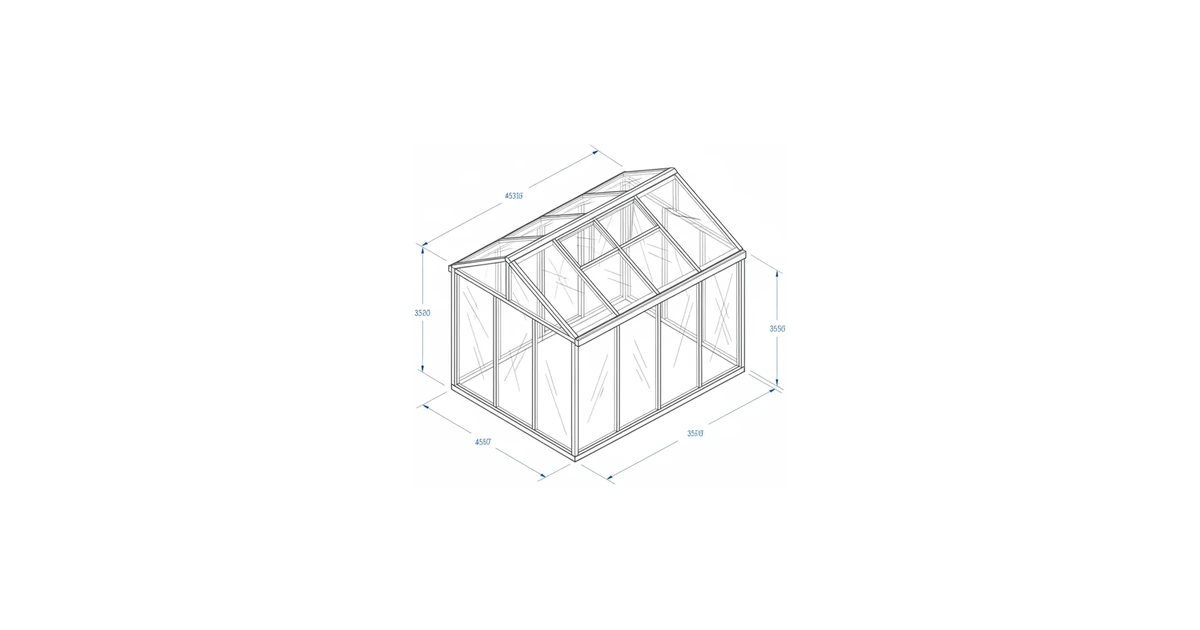
Here is the short answer: the right sunroom glass for Sacramento is insulated (double-pane) units with a solar-control Low-E coating and tempered safety glazing where code requires it. That build blocks our brutal summer heat while keeping the room bright, and it carries roughly a 30%-40% premium over plain single-pane glass (Solar Tech, 2025). For whole-room context, sunroom additions run about $150-$300 per square foot installed (HomeGuide, 2026). Your real number depends on size, frame, and roof type, so the honest price comes from an on-site quote.
Key Takeaways
- For a Sacramento sunroom you want insulated Low-E glass with tempered safety glazing, not bargain single-pane.
- The Low-E plus tempered combination adds roughly 30%-40% over plain glass (Solar Tech, 2025).
- California Building Code Chapter 24 treats all door glazing and most large low panels as hazardous locations needing safety glass (UpCodes, CBC 2025).
- Solar-control Low-E keeps visible light high while dropping solar heat gain, so the room stays bright but cooler (Vitro Glass).
What glass should a Sacramento sunroom use?
Insulated Low-E with tempered safety glass, in nearly every case. Single-pane glass is cheap, but it offers minimal insulation, so the room bakes in summer and chills in winter (Sunshine Rooms). In our climate that turns a sunroom into a space you avoid half the year. The upgrade is worth it.
Insulated glass (an IGU) is two glass panes sealed around a spacer with an air or argon-gas gap between them. That dead-air layer is what slows heat from crossing the glass, cutting summer heat gain and winter loss while stopping interior condensation (Sunshine Rooms).
Tempered glass is heat-treated to be four to five times stronger than ordinary glass, and when it does break it crumbles into small blunt pieces instead of long shards (Champion Window). That is why it is the default in sunroom walls and doors, and why code demands it in the riskiest spots.
Single-pane vs. insulated glass for a sunroom
Insulated wins for any room you want to use year-round. Double-pane units can deliver energy savings of up to 31% over single-pane, depending on the glass package (Sunshine Rooms). Single-pane only makes sense for a true three-season porch in a mild spot, which Sacramento is not.
| Glass build | Insulation | Sacramento fit |
|---|---|---|
| Single-pane | Minimal | Three-season only |
| Insulated (double-pane) | Strong | Year-round use |
| Insulated + Low-E + tempered | Best | Recommended |
A three-season patio enclosure can run roughly $10,000-$40,000, while a year-round sunroom built for our heat lands closer to $20,000-$65,000 (Sunshine Rooms). The glass package is only part of that, but it sets how the room actually feels in August.
How does Low-E glass handle Sacramento heat and glare?
A solar-control Low-E coating reflects the sun’s infrared heat back outside while still passing visible light, so you keep the daylight and lose the oven effect. It is spectrally selective: it can hold visible transmittance high while pushing solar heat gain low (Vitro Glass).
Two numbers on the NFRC label tell the story. Solar Heat Gain Coefficient (SHGC) is the fraction of the sun’s heat that gets through, from 0 to 1; lower is cooler indoors (Mannlee, 2026). For a hot region, the consistent guidance is an SHGC of 0.25-0.30 or lower (Mannlee, 2026). Visible transmittance, the second number, you want to keep moderate to high so the room stays bright.
| NFRC metric | What it controls | Sacramento target |
|---|---|---|
| SHGC | Solar heat in | Low, ~0.25-0.30 |
| Visible transmittance | Daylight and glare | Moderate to high |
| U-factor | Insulation | Low |
Tinted glass vs. Low-E for glare
Tinted glass absorbs light and heat together, so it cuts glare but also dims the room and does little for winter heat loss (Bayview Windows). Low-E reflects heat both directions while keeping the view clear, which is usually the better sunroom pick. On a fierce west wall, you can combine the two, a tinted Low-E unit, for the most aggressive heat and glare control (Euplai Window).
What about the glass roof or skylights?
A glass roof floods the room with light and lasts 20-plus years with little maintenance, but it raises the heat and the cost (Little Conservatory Company). Polycarbonate panels run three to four times cheaper than a glass roof and modern multi-wall versions insulate well, but they can cloud over years of sun (Little Conservatory Company).
Overhead glass is its own safety category. Sloped and overhead glazing must resist breaking and falling on people below, so it is typically laminated or has a protective layer, not a single sheet of annealed glass. If you are weighing a glass roof or adding daylight from above, our skylight contractor in Rancho Cordova, CA team can spec the right overhead unit and flashing.
Safety glazing and CBC Chapter 24: where tempered is required
California treats specific glass spots as hazardous locations that must use safety glazing, listed in California Building Code Chapter 24, Section 2406. Glazing in all swinging, sliding, and bifold doors counts as a hazardous location and needs safety glass (UpCodes, CBC 2025). A sunroom is mostly doors and large low panels, so most of its glass falls under this rule.
Glass next to a door is also covered when its vertical edge sits within a 24-inch arc of the door’s edge and the bottom of the glass is under 60 inches above the floor (UpCodes, CBC 2025). Each tempered pane must carry a permanent etched or sandblasted mark from the manufacturer that cannot be removed without destroying it (UpCodes, CBC 2025). An inspector looks for that mark.
| Location | Safety glazing? |
|---|---|
| Glass in any door | Required |
| Panel within 24-inch arc of a door, low edge | Required |
| Sloped or overhead glazing | Required, special rules |
| Small pane, 3-inch sphere can’t pass | Exception |
These are the broad strokes, and exceptions apply by pane size and assembly. Confirm your exact layout against the adopted code with your building official before ordering glass, because the placement of every door and panel changes what must be tempered.
Why use a licensed glazier
A sunroom packs together energy code, safety glazing, and overhead glass, and a missed tempered pane fails inspection. A licensed glazier reads Chapter 24, specs and marks the right glass, and sets the units so the seals last. Capital Glazing holds CSLB License #1115205 (B, C-17, C-33), covering general building, glazing, and glass work across greater Sacramento. When a project needs a non-standard size or shape, our custom glass shop in Rancho Cordova, CA cuts and tempers to fit.
A field note from the install
After years of glassing in sunrooms around the valley, the mistake I see most is a homeowner pricing single-pane to save money, then asking us to fix the heat a summer later. Once the frame is up, swapping the glass package is far more expensive than spec’ing it right the first time. I always walk the orientation with the client before we order. A west-facing wall takes the worst of the evening sun, so we put the most aggressive solar-control glass there and lighter units where the room never bakes. You pay for heat control only where you actually need it.
Frequently asked questions
Does sunroom glass have to be tempered?
Much of it does. California Building Code Chapter 24 treats all door glazing, glass near doors, and overhead glazing as hazardous locations that require safety glass (UpCodes, CBC 2025). Since a sunroom is mostly doors and large low panels, most of its glass will be tempered.
Is Low-E or tinted glass better for a Sacramento sunroom?
Low-E, usually. Tinted glass cuts heat and light together and dims the room, while solar-control Low-E keeps the view bright and reflects heat both ways (Bayview Windows). On a harsh west exposure, a tinted Low-E unit gives the strongest control (Euplai Window).
How much more does Low-E and tempered glass cost?
The Low-E plus tempered combination adds roughly 30%-40% over plain glass (Solar Tech, 2025). For the whole room, sunrooms run about $150-$300 per square foot installed (HomeGuide, 2026). Frame, roof type, and access move the number, so we quote after measuring.
Should I get a glass roof or polycarbonate?
It depends on budget and use. Glass gives the clearest look and lasts 20-plus years, while polycarbonate costs three to four times less and modern multi-wall panels insulate well but can cloud over time (Little Conservatory Company). Overhead glass has its own safety rules, so it needs careful spec.
Will single-pane glass work for a three-season room?
Only in mild conditions. Single-pane gives minimal insulation, so a Sacramento room with it bakes in summer and chills in winter (Sunshine Rooms). For any space you want year-round, insulated Low-E is the better starting point.
About Capital Glazing
Capital Glazing is a licensed glazier based in Rancho Cordova serving greater Sacramento, holding CSLB License #1115205 (B, C-17, C-33). We help homeowners spec sunroom and patio glass that fits our heat and our code, not just the cheapest option on the shelf. You can learn more about us and how we work.
Planning a patio enclosure or sunroom? Request a quote and we will measure on site and recommend a code-compliant glass package, email info@cglazing.com, or call us at (916) 720-9009.