
Capital Glazing guide
Glazier in Roseville, CA: Glass Services & Costs (2026)
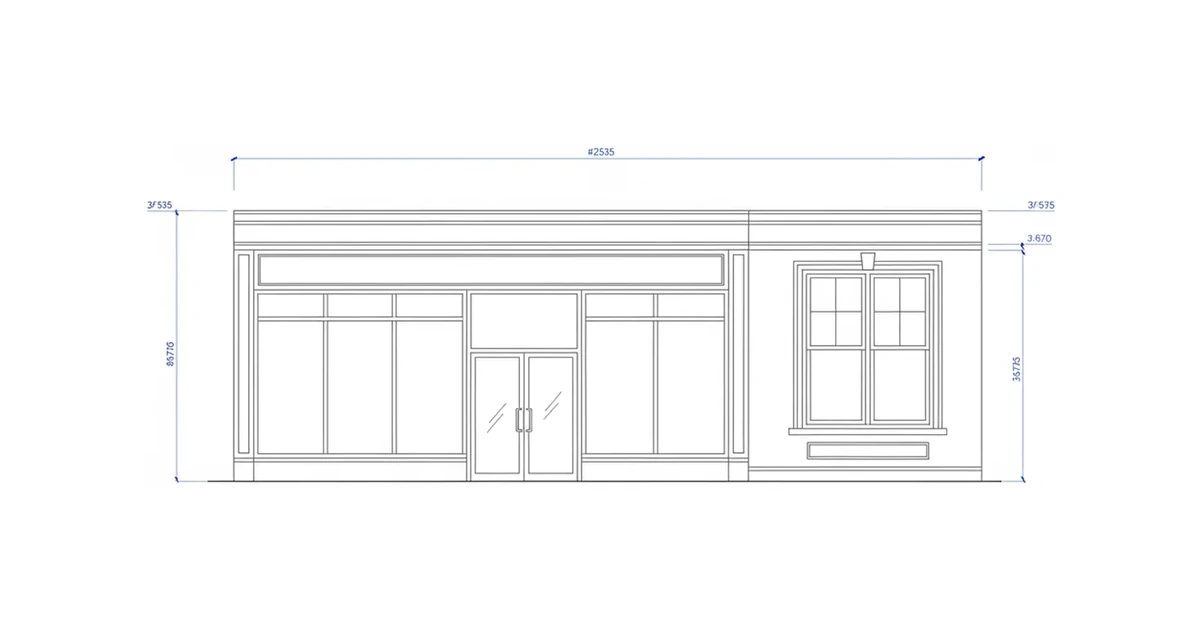
A glazier in Roseville measures, fabricates, and installs the glass that keeps a storefront watertight, a restaurant patio bright, and a home’s slider sealed against the Sacramento Valley heat. If you run a shop near the Galleria or own a newer home off Blue Oaks, the right answer depends on the glass type, the framing, and whether the City of Roseville wants a permit. This guide lays out the services, real 2026 cost ranges, and the local rules that decide your project, written for the way Roseville actually builds.
Key Takeaways
- Storefront and commercial glass is the workhorse of Roseville’s retail corridors; expect roughly $50 to $150 per square foot installed, depending on glass and framing (Glass & Auto, 2026).
- California’s Title 24 energy code governs replacement windows, and Roseville sits in hot-summer Climate Zone 12, so solar heat gain matters as much as insulation (Quanex).
- Tempered safety glass is code-required near doors, large panels, and stairways under the California Building Code (ICC, CBC Ch. 24).
- California requires a CSLB license when a project needs a building permit, uses workers, or costs $1,000 or more in labor and materials (CSLB licensing guidance); glazing is the C-17 trade classification (CSLB C-17).
What does a glazier do?
A glazier is the trade specialist who handles glass: selecting it, cutting it, fabricating the frame, and setting it into a building. The work spans storefronts, curtain walls, interior partitions, mirrors, shower enclosures, and residential windows and doors. A glazier is not a general handyman. In California the trade has its own license classification, the C-17.
Insulated glass unit (IGU) is the term for a dual-pane sealed unit with a gas fill between the panes. It is the standard for energy-efficient windows and many modern storefronts. Tempered glass is heat-treated safety glass that breaks into small, dull pieces instead of sharp shards, and code requires it in specific hazardous locations.
Glass services available in Roseville
Most local jobs fall into a handful of categories. Here is how they break down by setting and what each typically involves.
| Service | Typical setting | What it covers |
|---|---|---|
| Storefront glass | Retail, restaurant, office | Aluminum-framed entries, display windows, doors |
| Commercial curtain wall | Multi-story office, mixed-use | Large facade glazing systems |
| Insulated window replacement | Homes, HOAs | Dual-pane IGU swaps, energy upgrades |
| Patio doors and sliders | Homes, restaurants | Sliding and swinging glass doors |
| Shower and mirror | Bath remodels, gyms | Frameless enclosures, wall mirrors |
| Emergency board-up | Any | Break-in or storm damage, glass replacement |
For a commercial entry rebuild, see our commercial storefront installation work; for the full local list, visit our Roseville service area page.
How much does glass cost in Roseville?
Pricing depends on glass type, framing condition, panel size, and timing. Emergency after-hours work costs more than a scheduled visit. The ranges below reflect 2026 market data and are estimates, not quotes; a site measurement is the only way to price your project accurately.
| Project | Typical 2026 range (installed) | Notes |
|---|---|---|
| Tempered storefront glass | $50 to $150 / sq ft | Higher with Low-E or frame repair |
| Insulated glass unit (IGU) | $40 to $90 / sq ft (material) | Low-E coatings add 10 to 20 percent |
| Standard fixed storefront panel | $800 to $1,500 | A typical 4 ft by 6 ft fixed pane |
| Aluminum framing | $10 to $25 / linear foot | Varies by finish and complexity |
Sources: Glass & Auto (2026) and Glass West (2025). Standard panel sizes and scheduled (non-emergency) work are the two biggest levers on cost.
In the field, the single cheapest decision a business owner can make is to call before the glass fully fails. A stress crack we replace on a planned visit is routine; the same panel after it shatters overnight turns into a board-up, an emergency rate, and a day of lost foot traffic.
Glass services in Roseville: local context
Roseville is one of California’s fastest-growing cities, and Placer County’s population climbed from about 404,000 in 2020 to more than 422,000 by 2024 (World Atlas). That growth shapes glazing demand in two directions: a deep commercial footprint and a wave of newer homes.
Retail corridors and storefronts
The Westfield Galleria at Roseville anchors one of the Sacramento region’s most prominent retail corridors, with more than 240 shops along Galleria Boulevard (Westfield). Around it sit pads, strip centers, and restaurant rows where glass is the storefront. Display windows, vestibule doors, and patio enclosures take daily abuse and define how a business looks from the street. This is where a commercial-capable glazier earns its keep: matching existing aluminum systems, sourcing the right tempered safety glass, and turning a job fast enough to reopen.
Permits and the City of Roseville
Most glass swaps inside an existing frame do not need a permit, but altering the building changes that. The City of Roseville requires building permits for regulated work and now takes applications digitally (City of Roseville). Change a storefront’s exterior appearance, new material, or a facade, and a minor design review can apply, especially within specific plan areas. A licensed glazier knows when the Permit Center needs to be in the loop.
Title 24 and Climate Zone 12
Roseville falls in hot-summer Climate Zone 12, so the California Title 24 energy code weighs solar heat gain heavily, not just insulation. Replacing a window including its frame counts as an alteration, and projects over 75 square feet of window area must meet the prescriptive U-factor and Solar Heat Gain Coefficient values for the zone (Quanex). Swapping only the glass or sash without a new frame generally falls outside Title 24. The ratings are verified on the NFRC label attached to each unit.
Newer subdivisions and HOAs
Roseville’s newer neighborhoods come with homeowners associations that often spell out approved window styles, frame colors, and grid patterns. Before an HOA-area replacement, we confirm the unit matches the community standard so a homeowner is not asked to redo the work. It is a small step that saves a lot of friction.
Why hire a licensed glazier?
Glass is a safety system, not just a finish. The California Building Code designates hazardous locations where tempered safety glass is mandatory: glazing in doors, panels within a 24-inch arc of a door, large panels near walking surfaces, and glazing at the bottom of stairways. For insulating glass units in those spots, all panes must be tempered (ICC, CBC Ch. 24).
Hitting those rules is exactly what the license verifies. California requires a CSLB license when a project needs a building permit, uses workers, or costs $1,000 or more in combined labor and materials (CSLB licensing guidance). The C-17 classification covers selecting, cutting, assembling, and installing all kinds of glass and glass substitutes (CSLB C-17). A licensed glazier also carries the bond and insurance that protect you if something goes wrong. When we pull a closed door against a fixed sidelite and the math puts the glass inside that 24-inch arc, that panel gets tempered, full stop. Unlicensed work can leave you with non-compliant glass and a failed inspection.
Frequently asked questions
Do I need a permit to replace storefront glass in Roseville?
A like-for-like glass swap inside an existing frame usually does not. If the work changes the building’s exterior appearance or framing, a building permit and possibly a minor design review apply. The City of Roseville Permit Center confirms what your specific project needs.
Is tempered glass required for my project?
It depends on location. Tempered safety glass is code-required in and near doors, in large low panels near walking surfaces, and at the bottom of stairways. A glazier reads the California Building Code against your floor plan to flag every hazardous location.
What does Title 24 mean for a window replacement?
If you replace a window including its frame, it is an alteration that must meet Climate Zone 12 energy targets for U-factor and solar heat gain. Replacing only the glass or sash typically does not trigger Title 24.
How fast can a broken storefront be repaired?
Scheduled replacements run during business hours at standard rates. For break-ins or storm damage we board up first to secure the space, then return with the correct tempered or insulated glass once it is fabricated. Emergency timing raises cost, so an early call helps.
What is the difference between annealed and tempered glass?
Annealed is standard glass that breaks into sharp shards. Tempered is heat-treated to be roughly four times stronger and to break into small, dull pieces, which is why code mandates it in hazardous locations.
About Capital Glazing
Capital Glazing is a licensed glazing contractor based in Rancho Cordova, serving Roseville and the greater Sacramento region. We hold CSLB license #1115205 with B, C-17, and C-33 classifications, and we handle commercial storefronts, curtain wall, and residential glass. You can learn more about us and how we work.
Whether you manage a retail space near the Galleria or own a home in one of Roseville’s newer subdivisions, getting the glass, framing, and code right the first time protects your budget and your timeline. Request a quote and tell us about your project, email info@cglazing.com, or call (916) 720-9009.