
Capital Glazing guide
Glass Entry Doors for Sacramento Homes: Options & Cost (2026)
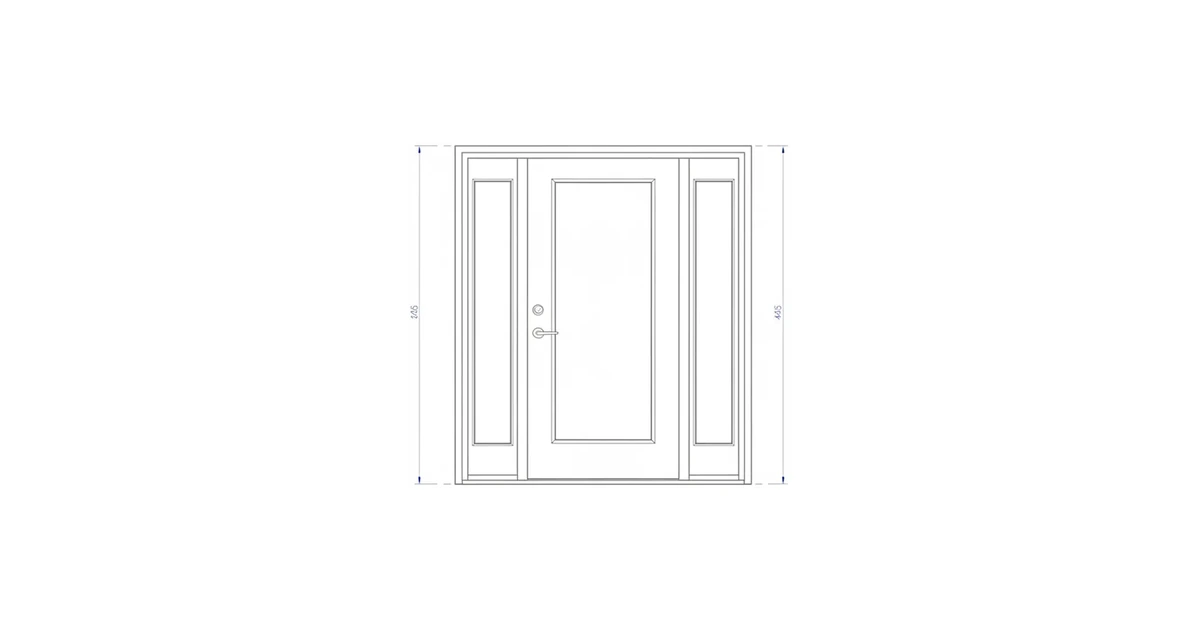
A glass entry door brings daylight into the foyer without sacrificing security, and in the greater Sacramento area a full unit with sidelites typically runs about $2,500 to $3,800 installed (Homewyse, May 2026). If your door frame is sound and only the glass has failed, a glass-only swap costs far less. The right choice comes down to how much privacy you want, how the glass performs in our hot valley summers, and what the building code requires for safety. This guide walks through the glass options, the code rules, and real cost ranges.
The numbers below are national reference ranges. West Coast labor and California energy requirements tend to push installed prices toward the higher end, so treat them as starting points and confirm with a local quote.
Key Takeaways
- A full glass entry door with sidelites runs roughly $2,500 to $3,800 installed, while a standard prehung entry door spans about $1,200 to $6,000 depending on material (Homewyse, Energy Home Improvements).
- Glass in any door, plus glass within a 24-inch arc of a door edge below 60 inches, must be safety glazing under California Building Code Section 2406.4 (UpCodes, 2025 CBC).
- For Sacramento (Climate Zone 12), Title 24 generally points to dual-glazed Low-E glass with a U-factor of 0.30 or lower and SHGC of 0.23 or lower (Quanex).
- If the door frame is good and only the glass insert or sidelite fogged or cracked, replacing the glass alone is usually the cheapest fix.
What is a glass entry door?
A glass entry door is an exterior front door built around a glass panel, called a lite or insert, that lets light into the entry while the surrounding door slab provides structure and security. The glass can fill most of the door (full-lite), a portion of it (half-lite or three-quarter lite), or sit in narrow side panels.
Two terms come up constantly when shopping, so here are clean definitions:
A sidelite is a fixed, narrow glass panel installed alongside the door slab, one on each side or just one, to widen the daylight opening without making the door itself larger.
A transom is a horizontal glass panel set above the door or sidelites, often used to add height and light over the entry. Both sidelites and transoms follow the same glass and safety rules as the door glass itself.
What glass options work in a residential entry door?
There are five practical glass choices for an entry door and its sidelites. They differ in privacy, energy performance, and price.
| Glass type | What it does | Privacy | Best for |
|---|---|---|---|
| Clear insulated | Maximum daylight and view | Low | Bright foyers, covered porches |
| Frosted / privacy | Diffuses light, blocks view | High | Doors opening to living space |
| Decorative / leaded | Patterned or beveled accent | Medium | Curb appeal, statement entries |
| Low-E insulated | Cuts heat gain and fade | Varies | Energy savings (Title 24) |
| Impact / laminated | Resists break-through | Varies | Security and storm resistance |
Clear glass shows everything, so it suits covered entries or homes where the door opens to a hallway. Frosted and privacy glass obscures one surface so light still passes but images do not, the usual pick when the door faces a street or opens into a main room (Pella). Decorative options, from patterned textures to leaded or beveled glass, add character but cost more. Privacy and decorative glass can still be insulated and Low-E, so style and efficiency are not a trade-off (ODL).
What about insulated and Low-E glass?
Low-E insulated glass should be the default in Sacramento. Low-E (low-emissivity) glass carries a microscopically thin metallic coating that reflects heat, keeping warmth out in summer and in during winter, and it also slows the fading of floors and furniture (Pella). Paired in a dual-pane, sealed insulated unit, it is what California’s energy code effectively requires for new door glass, which I cover below.
When does impact or laminated glass make sense?
Impact-rated and laminated glass are the security upgrade. Laminated glass bonds a plastic interlayer between two glass panes, so if it breaks, the fragments cling to the layer instead of falling out, making forced entry through the lite much harder (Clark Hall Doors). It also dampens street noise. We are not in a coastal high-wind zone here, so impact glass in Sacramento is driven by security and sound rather than code, but it is a worthwhile option on a glass-heavy entry.
Does entry door glass have to be tempered or safety glass?
Yes. Under the California Building Code, glass in doors, and glass close to doors, sits in what the code calls a hazardous location and must be safety glazing, which is glass that is tempered or laminated so it cannot break into sharp shards.
This is not optional, and it is the single most common thing homeowners overlook. Here is what the 2025 CBC Section 2406 actually requires:
| Location | Rule | Code section |
|---|---|---|
| Glass in the door itself | Always safety glazing | 2406.4.1 |
| Glass within 24 in. of door edge | Safety glazing if below 60 in. | 2406.4.2 |
| Sidelites and transoms near the door | Treated the same as door glass | 2406.4.2 |
Section 2406.4.1 covers fixed and operable panels in swinging, sliding, and bifold doors and treats that glazing as a hazardous location requiring safety glass. Section 2406.4.2 then extends the rule to glazing next to a door when the nearest vertical edge is within a 24-inch arc of either vertical edge of the door in its closed position and the bottom exposed edge of the glass is less than 60 inches above the walking surface (UpCodes, 2025 CBC).
Inspectors check this with a simple method: tie a 24-inch string to the door jamb and swing it in an arc. Any glass the string reaches that sits below 60 inches must be safety glazed. Tempered glass carries a permanent etched label in a corner so the inspector can verify it; laminated glass is documented by certificate instead (MyBuildingPermit Tip Sheet 19).
In the field I see plenty of older sidelites with plain annealed glass that predates current enforcement. They are usually fine to leave until you remodel, but the moment you replace that pane, the new glass has to meet the safety-glazing rule.
Why use a licensed glazier for entry door glass?
Because the wrong glass in a door is both a code violation and a real injury risk. A licensed glazier knows which panels fall inside the 24-inch arc, orders the correct tempered or laminated lite, and seals an insulated unit so it does not fog. We pull the right glass type, verify the permanent etch on tempered panes, and make sure the unit is weather-tight, which matters as much for energy performance as it does for code. Capital Glazing holds CSLB license #1115205 (classifications B, C-17, and C-33), so the work is permitted and inspected correctly.
What does Title 24 require for entry door glass in Sacramento?
Sacramento sits in California Climate Zone 12, an inland valley with heavy cooling demand, so the energy code pushes hard on solar heat gain. For new and replacement door glass, Title 24 generally calls for dual-glazed Low-E glass meeting a U-factor of 0.30 or lower and a solar heat gain coefficient (SHGC) of 0.23 or lower (Quanex, Milgard).
A lower SHGC is what keeps our summer afternoons from baking the entry, which is why the low-gain spec matters most in Zone 12 (Andalusia Drafting). The compliance proof is the NFRC label on the product: the inspector reads the U-factor, SHGC, and visible transmittance off that sticker at final inspection, so leave it on until you pass (CA Permits).
A practical note from job sites: an insulated glass unit that fogs between the panes has lost its seal, and with it most of its Low-E and insulating value. Foggy door glass is not just ugly, it is no longer doing its energy job.
Glass-only replacement vs. a new entry door
You can often replace just the glass, and it is the budget route. If the door slab and frame are solid and only the insert or sidelite glass is cracked or fogged, a glazier can swap the glass alone rather than the whole unit. Seal failure, the condensation trapped between dual panes, is the most common reason and is fixable without a new door (Home Build Windows).
Glass-only replacement makes sense when the frame is in good shape and the door style still works for you. You keep your existing door, hardware, and finish, and pay for the glass and labor instead of a full prehung unit.
Go with a new door instead when the slab is warped, the frame is rotted, the opening is out of square, or you want a different door style or larger glass area. At that point a fresh unit is the cleaner fix. For unusual sizes or shapes, our custom glass shop can fabricate a tempered or laminated insert to fit an existing door.
| Scope | Typical cost | When it fits |
|---|---|---|
| DIY glass insert kit (materials) | ~$150 | Sound frame, standard size |
| Glass-only replacement (installed) | Quote-based, low | Good slab and frame |
| Full entry door, standard prehung | $1,200 to $6,000 | Damaged or dated door |
| Entry door with sidelite (installed) | $2,500 to $3,800 | New daylight opening |
A DIY clear tempered insert kit runs around $150 in materials, for example a 22 by 36 inch one-lite kit (Home Depot). Full prehung entry doors span roughly $1,200 to $6,000 installed depending on steel versus fiberglass and the glass package (Energy Home Improvements), and a door-with-sidelite unit averages about $2,500 to $3,800 (Homewyse). Because glass-only work depends on size, glass type, and seal condition, we price it from an on-site look rather than a flat figure.
Frequently asked questions
Does a glass front door need to be tempered? Yes. Any glass in an exterior door is a hazardous location under CBC Section 2406.4.1 and must be safety glazing, meaning tempered or laminated (UpCodes). Sidelites within 24 inches of the door and below 60 inches need it too.
Are glass entry doors secure? A clear single pane is the weak point, but laminated glass keeps its fragments bonded to an interlayer when struck, which resists break-through and makes a glass door far harder to breach (Clark Hall Doors). Frosted glass also hides what is inside.
How do I get privacy with a glass entry door? Use frosted, acid-etched, or patterned obscure glass, which passes light but blocks the view, and it can still be insulated and Low-E (ODL). The need depends on whether the door opens to a living space or a hallway.
Can I replace a foggy sidelite without replacing the door? Usually yes. Fog means the insulated unit lost its seal, and if the frame is sound a glazier can replace the glass alone, which is cheaper than a new door (Home Build Windows). The new pane must be safety glazing.
Do I need a permit to replace entry door glass in Sacramento? Glass-only swaps usually do not, but replacing the full door does, and either way the new glass must meet the safety-glazing and Title 24 energy rules verified by the NFRC label (CA Permits). A licensed glazier handles the requirements for you.
About Capital Glazing
Capital Glazing is a licensed glass and glazing contractor in Rancho Cordova, California, serving homeowners across the greater Sacramento area. We handle residential entry door glass, custom inserts, and sidelites, and we also supply commercial doors and storefront systems. We hold CSLB license #1115205 with B, C-17, and C-33 classifications, so your entry door glass is installed to current California code and energy standards. Learn more about us.
Thinking about a new glass entry door, or need a failed sidelite swapped? Request a quote and we will assess your door, recommend the right glass, and give you a firm number. Email info@cglazing.com or call us at (916) 720-9009.