
Capital Glazing guide
Storefront Glass Replacement Cost in Sacramento (2026)
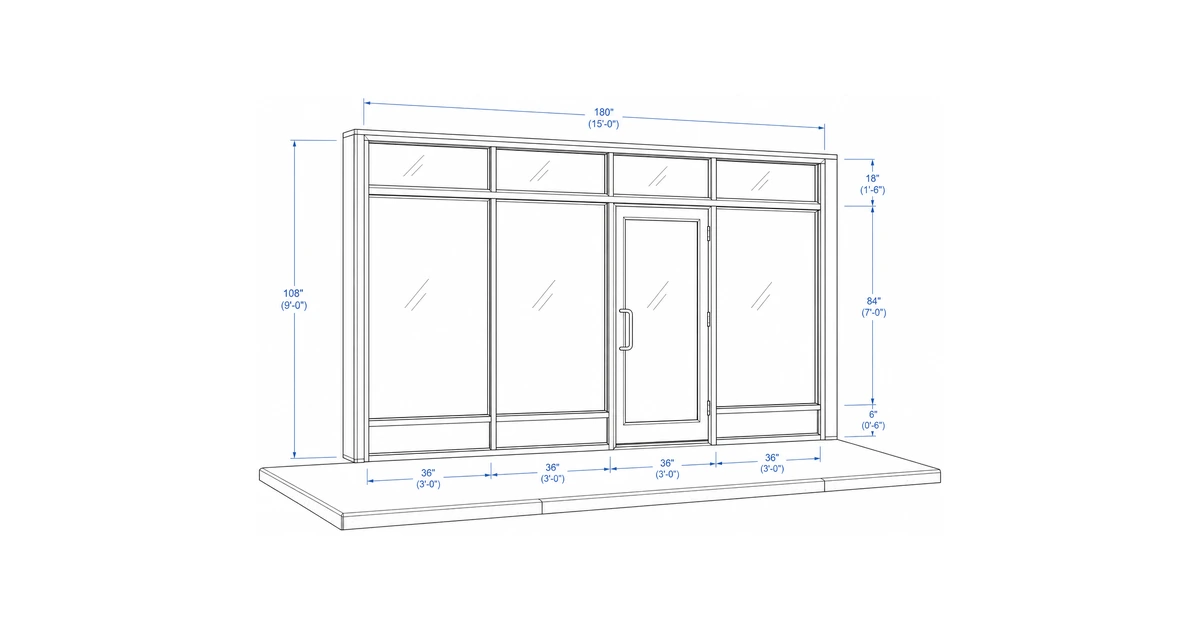
Commercial storefront glass replacement for Sacramento businesses typically runs $50 to $150 per square foot installed, with most mid-range jobs landing between $50 and $100 (industry cost guides, 2026). A single panel costs $800 to $1,500, and a full storefront project runs $5,000 to $25,000 or more. Storefront glass replacement cost depends on your glass type, framing, and code requirements, so we won’t guess your exact number from a blog post — the honest move is an on-site quote.
That last point matters. Anyone quoting you a flat Sacramento “average” before measuring the opening is guessing. Below, we break down every variable that moves the price, the California safety-glazing code that controls what glass you’re legally allowed to install, and when a repair makes more sense than a full replacement.
Commercial storefront glazing is the supply and install of large glass panels and glass entry systems in an aluminum frame across a business’s ground-floor front. That glass sits at street level, where people walk. So California code treats most of it as a “hazardous location.” The material choice is rarely just about looks or budget. It is about what the building code allows. That one fact explains most of the price spread between quotes. For example, it is the main reason a licensed glazier prices a job differently than a handyman. We cover the code in detail below, because it drives both your glass spec and your inspection result.
Key Takeaways
- Installed cost runs $50–$150/sq ft (industry cost guides, 2026); a single ~4x6 ft panel is $800–$1,500, a full storefront $5,000–$25,000+.
- Glass type drives cost: clear annealed is $3–$5/sq ft, tempered $8–$25, insulated units $20–$40.
- California Building Code Chapter 24 requires safety glazing (tempered or laminated) in most ground-level storefront and door glass.
- Repair fixes minor isolated damage; replace when seals fail, glass fogs, or the frame is compromised.
This guide pulls from current 2026 cost data and the California Building Code. Treat every dollar figure as a national or West-region range, then request a quote to localize it to your actual building.
How Much Does Storefront Glass Replacement Cost?
Commercial storefront glass costs $50 to $150 per square foot installed, with $50–$100/sq ft covering most mid-range projects (industry cost guides, 2026). In the Western U.S., the working anchor narrows to roughly $55–$115/sq ft. Materials alone run $25–$75/sq ft, and labor accounts for 30–50% of the total project cost.
The square-foot price moves with three things: the glass itself, the aluminum framing system, and the labor to remove the old unit and set the new one. A small replacement panel and a full storefront tear-out aren’t the same animal, so the totals spread widely.
Here’s how the tiers break down on a per-square-foot, installed basis:
| Tier | Installed cost (per sq ft) | Typical use |
|---|---|---|
| Basic | $40–$70 | Standard clear or annealed glass, basic framing |
| Mid-range | $70–$110 | Tempered or insulated glass, standard storefront framing |
| Premium | $110–$150 | Insulated + laminated, thermally-broken frames, custom sizes |
Project totals scale with the opening. A single ~4x6 ft panel typically runs $800 to $1,500 installed, while a complete storefront replacement lands anywhere from $5,000 to $25,000+ depending on linear footage of framing and the number of lites (industry cost guides, 2026).
The framing system is the single biggest reason two “identical-looking” Sacramento storefronts get different quotes. Aluminum framing runs $10–$25 per linear foot, depending on finish and complexity (Wellste, 2026). A thermally-broken upgrade cuts heat transfer for energy compliance. It adds 15–25% on top (Insight Glass, 2026). So a wide entrance with many mullions costs far more than its glass area alone suggests.
Smaller line items add up too. For example, removal and disposal of the old glass runs $100–$300. Permits run $50–$300 or more. The safety-glazing surcharge on a large pane adds another $100–$300. Emergency or after-hours work also carries a premium. That usually means a temporary board-up, a cleanup, and a second trip to set the final glass once it is cut.
Related: Commercial storefront glass installation in Rancho Cordova & Sacramento
How Much Does It Cost to Replace Glass on a Commercial Door?
Replacing glass on a commercial door ranges from a $50–$200 minor repair up to a full door swap, with single aluminum-framed doors at $1,200–$2,500 and double-door entries with panic hardware reaching $5,500+ (Cypress Door & Glass, 2026). The deciding factor is whether you’re replacing a glass lite, the door, or the entire entry assembly.
A door is more than glass. It carries hinges, closers, locks, and often code-mandated panic hardware, all of which change the math. Swapping a cracked lite in an otherwise sound door is cheap. Replacing the whole entry is a different project.
| Scope of work | Typical cost | Notes |
|---|---|---|
| Minor door-glass repair | $50–$200 | Small isolated damage, glass lite only |
| Single aluminum-framed door | $1,200–$2,500 | Standard commercial entry door |
| Standard tempered/insulated storefront door | $1,800–$3,500+ | Energy-code glass, standard hardware |
| Double-door entry w/ panic hardware | $2,500–$5,500+ | High-traffic egress, accessibility hardware |
One non-negotiable detail: glass in a commercial door must be safety glazing under California code (more on that below). That requirement applies to the door lite and to fixed glass within a 24-inch arc of the door edge, so a “simple” door-glass job often pulls adjacent panels into compliance scope too.
In our experience across Sacramento-area commercial work, the surprise on door jobs is rarely the glass. It is the hardware. Older entries often hide worn closers or non-compliant exit devices. Once a door is opened up, bringing the egress hardware to current code is the line item owners did not budget for. So we inspect the closer, the threshold, and the panic hardware before we quote a “glass” job. After all, a door that will not latch is not finished just because the glass is in. Factoring those parts in up front gives you a number that holds, instead of a low quote that grows once work starts.
Related: Commercial glass repair in Rancho Cordova & Sacramento
What Type of Glass Do Storefronts Use?
Storefronts use tempered glass at ground level, frequently inside insulated glass units (IGUs), with laminated glass added where security or impact resistance matters (Valleywide Glass, 2026). California code drives this choice: most ground-floor and door-adjacent storefront glass must legally be safety glazing, which means tempered or laminated.
Tempered glass is heat-treated safety glass that is roughly four times stronger than ordinary annealed glass and, when broken, shatters into small blunt pieces instead of dangerous shards. An insulated glass unit (IGU) is two glass lites sealed around a spacer with an air or argon gap between them, which improves energy performance and reduces condensation. The glass type you choose is the largest single swing in material cost, so it deserves a deliberate decision rather than a default. Clear annealed glass is cheap but rarely legal at storefront height. Tempered is the workhorse for ground-floor commercial glass. Laminated, which bonds two lites to a plastic interlayer, is the security and impact-resistant premium option, and it’s the one we reach for when a tenant wants smash-and-grab resistance.
| Glass type | Material cost (per sq ft) | Best for |
|---|---|---|
| Clear / annealed | $3–$5 | Interior, non-hazardous locations only |
| Tempered | $8–$25 | Ground-level storefronts, doors (safety glazing) |
| Insulated glass unit (IGU) | $20–$40 | Energy efficiency, climate control |
| Laminated | Premium / quote-based | Security, impact and break-in resistance |
Sources: tempered and annealed material pricing (industry cost guides, 2026); insulated glass unit pricing (Door Closers USA, 2026).
Most modern storefronts combine these. A typical insulated unit pairs two tempered lites with a spacer, giving you safety compliance and energy performance in one assembly. Where a tenant wants smash-and-grab resistance, we’ll specify laminated, sometimes laminated inside an IGU.
Lead time tracks the glass type, so it affects scheduling more than price. Annealed and laminated stock can be same-day. Tempered glass usually takes 2–7 days because it can’t be cut after the tempering process. A failed insulated unit can run 5–10 business days as a custom-fabricated replacement (Expert Glass Repair, 2026).
Related: Glass repair service in Rancho Cordova
What Thickness Glass for Storefront Windows?
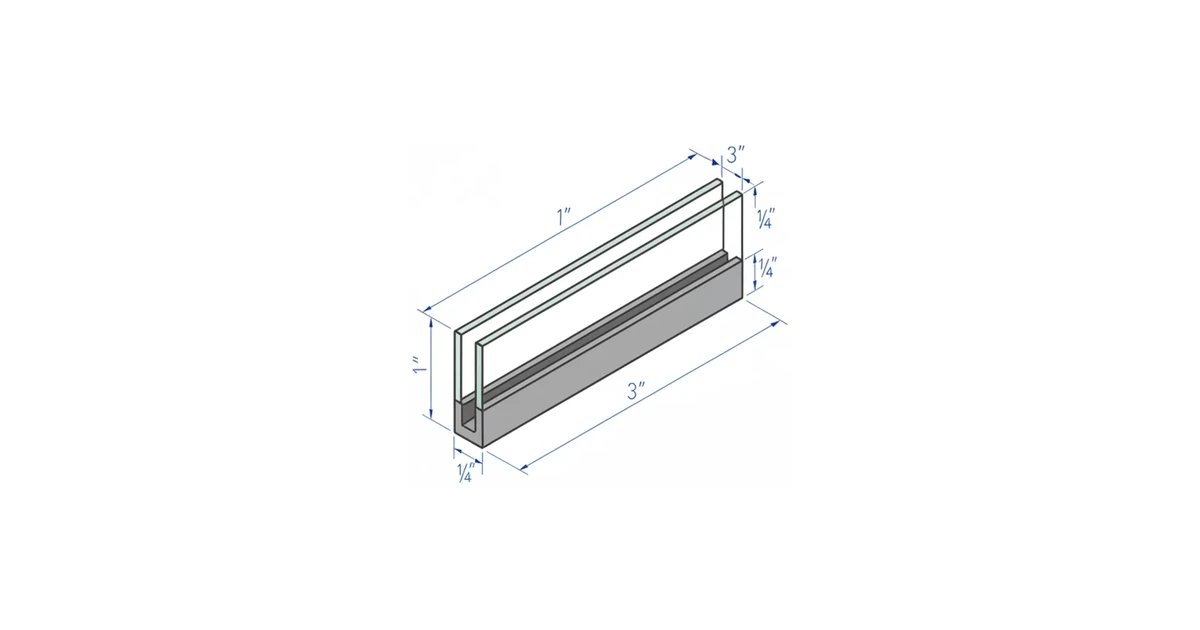
Storefront windows typically use 1/4-inch (6mm) tempered glass, and insulated units measure roughly 1 inch overall, combining two 1/4-inch lites with a spacer around 1/2 inch (Door Closers USA, 2026). The exact thickness depends on pane size, wind load, and whether the glass is single or insulated.
Bigger panes need thicker glass. A modest display window may be fine at 1/4 inch, but a large, tall expanse of glass facing wind load may step up to 3/8 inch or get specified as a thicker laminated or insulated build-up. This is an engineering call, not a guess, and it’s another reason a flat per-foot “average” can mislead.
Thickness also interacts with cost and lead time. Thicker tempered lites cost more per square foot and don’t change the 2–7 day fabrication window much, but a custom insulated unit at non-standard thickness extends to that 5–10 business day range. Spec the glass correctly the first time and you avoid a re-order.
What Does California Safety-Glazing Code Require for Storefronts?
California’s Building Code requires safety glazing, meaning tempered or laminated glass, in all hazardous locations: doors, glass within a 24-inch arc of a door edge, and large panes near walking surfaces (UpCodes, CBC Chapter 24, 2025 edition). For most Sacramento storefronts, that means nearly all ground-level and door-adjacent glass must be safety glazing by law.
Most cost pages skip this part. Yet it decides what you are allowed to install. The code is not optional. A non-compliant install can fail inspection, void insurance, and create real liability if someone walks into the glass. So the code section of a quote is not paperwork. It is the difference between a storefront that passes inspection and one that gets torn out and redone. A licensed glazier reads the opening, finds which panes count as hazardous locations, specs the right safety glazing, and labels it so an inspector can verify it fast. For example, skipping that step to save a few dollars on glass is the most expensive shortcut in the trade.
Here’s what Chapter 24 (Section 2406) covers in plain terms:
- Glass in doors must be safety glazing (§2406.4.1).
- Glass within a 24-inch arc of a door’s vertical edge, with a bottom edge below 60 inches, must be safety glazing (§2406.4.2).
- Large panes over 9 sq ft with a bottom edge below 18 inches and a top edge above 36 inches, near a walking surface, must be safety glazing (§2406.4.3).
- Each safety-glazed pane needs a permanent designation identifying it as compliant (§2406.3).
- Glass must be tested to CPSC 16 CFR 1201 (Category II) or ANSI Z97.1.
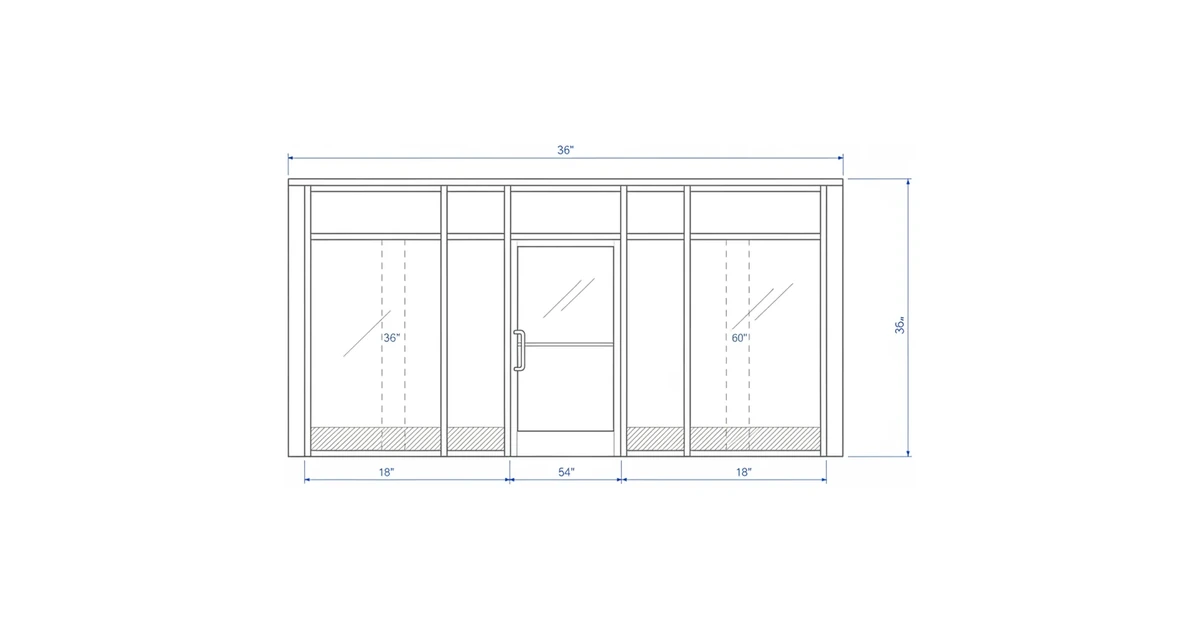
The 24-inch-arc rule is the one that catches owners off guard. A fixed sidelite next to your entrance door looks like ordinary “window” glass, but because it sits within that arc, code treats it as hazardous and requires safety glazing. Replace it with cheaper annealed glass and you’ve created a non-compliant, uninspectable storefront, even though the glass “looks” identical.
This is exactly why a licensed glazier matters. A CSLB-licensed contractor pulls the right permit ($50–$300+), specs code-compliant glass, and labels it correctly so the work passes inspection. Capital Glazing holds CSLB license #1115205 and works to current CBC requirements on every commercial storefront in the greater Sacramento region.
A quick gut-check question: do you actually know whether the glass currently in your storefront is stamped safety-glazed? If you can’t find an etched mark in a corner, it’s worth a look before you assume a like-for-like swap is legal.
Is It Cheaper to Repair or Replace Glass?
Repair is cheaper for minor, isolated damage, but replacement is the right call once seals fail, glass fogs, repairs recur, or the frame is compromised (Modernize, updated Apr 3, 2026). A foggy insulated unit can’t be fixed pane-by-pane — the entire sealed unit has to be swapped, so “repairing” a failed IGU isn’t actually an option.
The honest answer depends on the failure. A small chip or a single cracked lite in a sound frame is a candidate for repair. Fogging between the panes, recurring cracks, energy loss, or any safety compromise points to replacement.
| Situation | Repair or replace | Why |
|---|---|---|
| Minor isolated chip or crack, sound frame | Repair | Cheapest fix, glass and frame still serviceable |
| Foggy / hazy insulated unit (failed seal) | Replace | Sealed unit can’t be repaired pane-by-pane |
| Recurring repairs on the same opening | Replace | Repeat costs exceed a one-time replacement |
| Safety-compromised or non-compliant glass | Replace | Code and liability require compliant glazing |
| Damaged or rotted framing | Replace | Frame integrity affects the whole assembly |
| Energy-inefficient single-pane glass | Replace | Upgrade to insulated unit cuts ongoing costs |
For a directional sense of scale, residential glass-only fixes run roughly $200–$600 per window (about $400), versus $600–$1,500+ for a full window-and-frame replacement (Modernize, 2026). Treat those as directional only — commercial storefront work prices on the per-square-foot ranges above, not residential window figures.
Related: Talk to a glazier about commercial glass repair vs. replacement
Why Does a Licensed Glazier Matter for Pricing?
A licensed glazier matters because billed labor isn’t the same as a glazier’s wage, and code compliance is built into a proper quote. California glaziers earn roughly $27–$29 per hour as employees (Indeed, 2026), but billed labor typically runs 2–3x that rate to cover insurance, overhead, vehicles, warranty, and profit.
That gap confuses owners who see a wage figure online and expect it to match an invoice. It won’t, and a shop billing at the wage rate isn’t carrying real insurance or standing behind the work. Public-works projects carry higher prevailing-wage requirements still.
A licensed contractor’s quote bakes in the things that protect you: the correct permit, code-compliant safety glazing, proper disposal, and accountability if something fails. That’s what you’re buying alongside the glass. It’s also why we measure on-site before quoting — the variables are too project-specific to price blind.
Frequently Asked Questions
How much does commercial storefront glass cost? Commercial storefront glass costs $50–$150 per square foot installed, with most mid-range jobs at $50–$100 (industry cost guides, 2026). A single ~4x6 ft panel runs $800–$1,500; a full storefront project runs $5,000–$25,000+. Treat these as ranges and localize with an on-site quote.
How much does it cost to replace glass on a commercial door? A minor door-glass repair runs $50–$200, a single aluminum-framed door $1,200–$2,500, and a double-door entry with panic hardware $2,500–$5,500+ (Cypress Door & Glass, 2026). Hardware condition and code-required safety glazing often shift the final price.
What type of glass do storefronts use? Storefronts use tempered glass at ground level, often inside insulated glass units, with laminated glass where security or impact resistance is needed (Valleywide Glass, 2026). California code requires safety glazing for most ground-level and door-adjacent panes.
What thickness glass for storefront windows? Storefront windows typically use 1/4-inch (6mm) tempered glass, with insulated units measuring about 1 inch overall (Door Closers USA, 2026). Larger panes and higher wind loads may require thicker glass, so thickness is an engineering decision.
Is it cheaper to repair or replace glass? Repair is cheaper for minor isolated damage, but replacement is necessary once seals fail, glass fogs, repairs recur, or framing is damaged (Modernize, 2026). A foggy insulated unit cannot be repaired pane-by-pane; the whole sealed unit must be replaced.
About Capital Glazing
Capital Glazing is a licensed glazier (CSLB #1115205) based in Rancho Cordova and serving the greater Sacramento region with commercial storefront glazing, glass repair, and glass railings. This guide was written and reviewed by our licensed glazing team against current California Building Code and 2026 cost data; every figure links to its source so you can check it yourself. We publish ranges rather than a single Sacramento “average” on purpose — an accurate number comes from measuring your opening, not from a blog post. Learn more about Capital Glazing or request a quote and we’ll give you an honest, code-compliant figure for your building, email info@cglazing.com, or call (916) 720-9009.